
Reviewed · TOWNSHIP TOURS
Swakopmund:Mondesa Cultural Township Tour
Mondesa opens a different door. This three-hour private tour takes you beyond Swakopmund’s seaside streets into a community setting, with a guide who grew up in Mondesa and can explain the area from personal experience. I like the hotel pickup and the chance to eat traditional food in a local family home. I also like that the tour includes both cultural conversation and everyday sights, from homes and schools to housing projects.
The main consideration is its short length. Three hours gives you a useful introduction, but the schedule is full, and some stops may feel brief. The Herero cultural visit is also available only on afternoon and weekend tours, so you should check the starting time if that part matters to you.
In This Review
- Key Points To Know Before You Go
- Why Mondesa Adds More To Swakopmund
- Starting With Mondesa And OB Street
- Small Crafts And Everyday Creativity
- Seeing The DRC Housing Projects
- A Nama Herbalist And Traditional Medicine
- Herero Clothing And Culture
- The Shebeen And A Family Meal
- Live Acapella And The Human Side Of The Tour
- Is $80 Per Person A Fair Price?
- Timing, Comfort, And Who Should Book
- Should You Book The Mondesa Tour?
- FAQ
- How long does the Mondesa Cultural Township Tour last?
- What is included in the price?
- Is hotel pickup available?
- Which languages are available?
- Is the Herero cultural visit offered on every tour?
- Can I cancel for a full refund?
Key Points To Know Before You Go

- A local connection: The guide grew up in Mondesa and can discuss the township and its past from firsthand experience.
- A meal inside the community: You may try mahangu porridge, beans, ground nuts, mopane worms, wild fruits, and other local foods at a family home.
- More than a walking tour: The route includes OB Street, a craft market, DRC housing projects, a shebeen, and cultural visits.
- Two cultural traditions: A Nama herbalist explains traditional medicine, while a Herero woman discusses her clothing and culture on eligible departures.
- A private three-hour outing: Your group has its own guide, with transport from your accommodation included.
- A practical price: At $80 per person, the cost covers transport, guiding, and a traditional meal, which makes the value depend largely on your group size and interest in local culture.
Why Mondesa Adds More To Swakopmund

Swakopmund is known for German colonial buildings, ocean air, and easy access to Namibia’s desert attractions. Mondesa offers a different view of town life. It is a community rather than a sightseeing district, and the point of the visit is not polished scenery. It is conversation, context, food, and a look at how people live.
That distinction matters. You are not simply driving past a township while a guide recites facts. The route gives you several ways to meet the place: walking along OB Street, talking with residents, visiting a small craft market, and stopping at a family home. You also learn about the Democratic Resettlement Community, known as DRC, and the housing work connected with the Swakopmund Municipality.
I appreciate this mix because it keeps the visit grounded. You see ordinary homes and schools, then hear about local development. You also have time for culture that is expressed through food, clothing, herbal knowledge, and music. The result is more personal than a standard town drive.
Still, you should arrive with the right expectations. This is not a museum tour, and there is no promise of a carefully staged performance at every stop. Some parts depend on the people available and the time of day. That is part of the appeal, but it can also make the pace feel less predictable.
More Township Tours in Swakopmund
- Swakopmund: Mondesa Township Day Tour Experience
★ 3.8 · 25 reviews - Local Guided Walvisbay & Swakopmund Township Experience Day Tour
★ 3.5 · 8 reviews - Swakopmund Best Cultural Historical Township Tours Namibia
★ 5.0 · 8 reviews
Starting With Mondesa And OB Street
The experience begins with pickup at your hotel accommodation in Swakopmund. Transport is included, which keeps the visit simple and saves you from arranging a taxi to the township. The tour then drives to Mondesa, where you receive a brief introduction to its history.
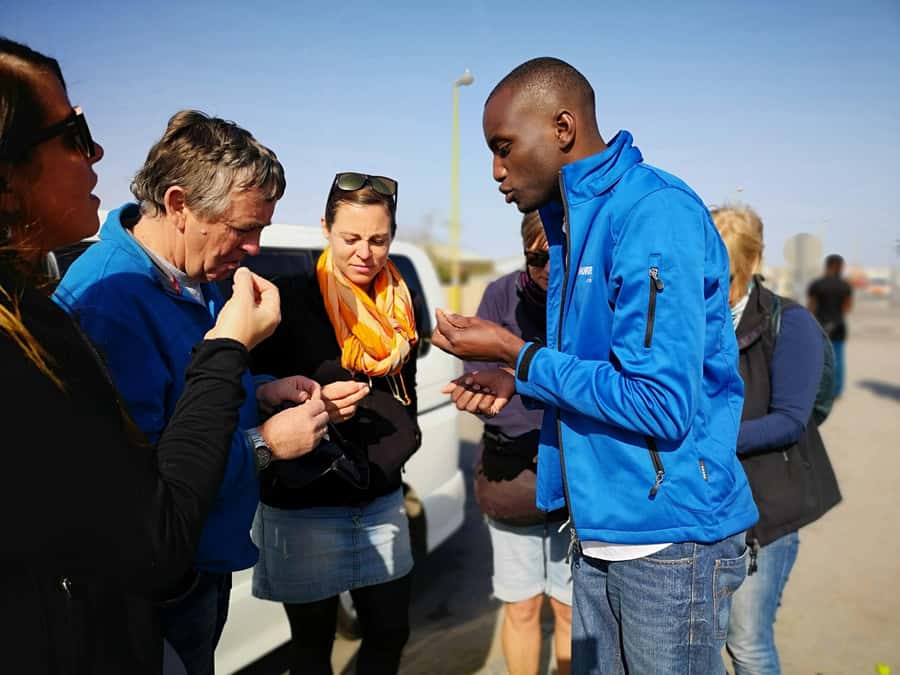
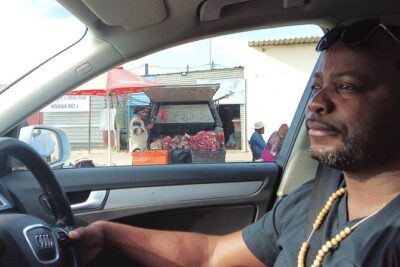
The opening explanation helps you read the area rather than simply look at it. When you later pass homes, schools, and community spaces, you have some context for what you are seeing. The guide’s personal link is especially useful here. He originally came from Mondesa and speaks excellent German, as well as English, so German-speaking visitors can ask questions without relying on translation.
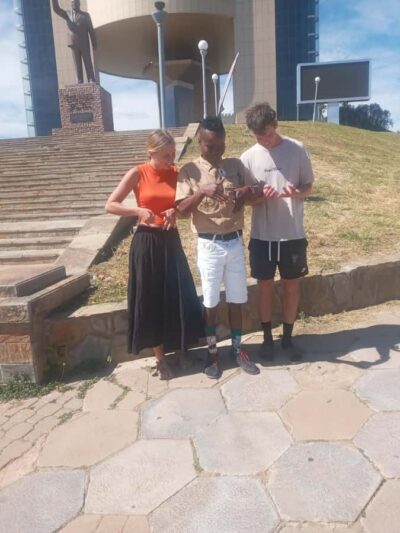
The walk along OB Street is one of the most direct parts of the tour. You get a glimpse of a typical township street and can speak with local residents. That contact should be handled with courtesy. Ask questions, listen carefully, and avoid treating people’s homes as photo props. The experience works best when you approach it as a hosted visit, not as a quick survey of poverty.
You may see typical houses and schools along the way. The information provided does not promise a formal school visit, so expect to view these places from the route rather than enter them. Comfortable shoes are a good idea because the tour includes walking as well as driving.
Small Crafts And Everyday Creativity
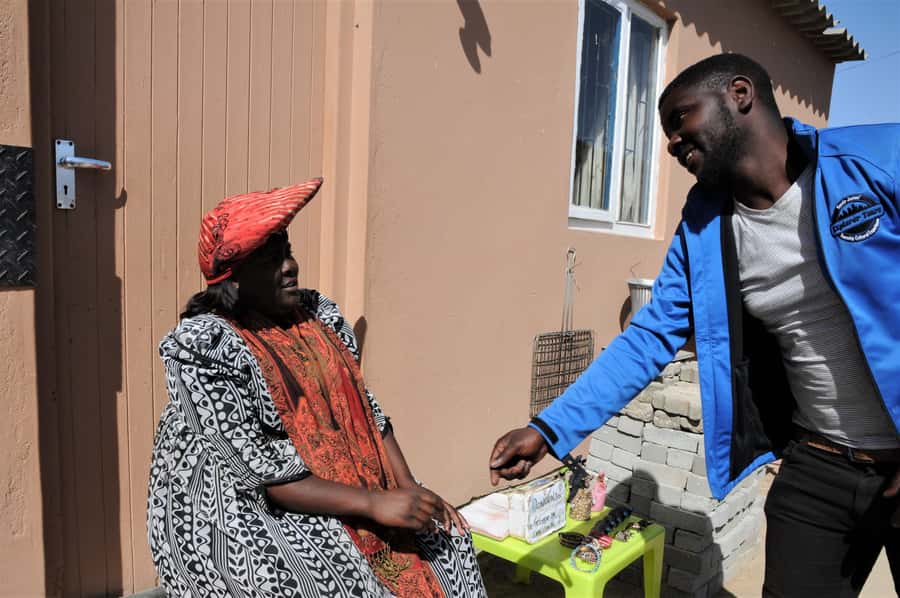
The stop at a small home craft market adds a lighter note to the route. Local artists offer handmade crafts, giving you a chance to see creative work produced within the community. It is not described as a large market, so you should not expect rows of shops or a long shopping session.
That smaller scale can be a benefit. You can browse without losing much of the three-hour schedule, and any purchase supports an individual maker directly. Souvenirs are not included in the price, so bring money if you want to buy something.
I would treat this stop as an opportunity rather than the main reason to book. The craft market is one part of a broader visit, not a dedicated shopping tour. If you need time to compare many products, you may find the selection limited. If you want a locally made keepsake and a short conversation with artists, it fits the day well.
Seeing The DRC Housing Projects
The route continues to DRC, or Democratic Resettlement Community. Here, the guide explains the housing projects and how the Swakopmund Municipality is working to improve the area.
This stop gives the tour a useful civic side. You are not only hearing about customs and food. You also learn about housing and municipal efforts, which helps place township life within a wider story of growth and public services. For many visitors, this is where the tour becomes more than a cultural sampler.
The discussion may be especially worthwhile if you want to understand how a town responds to housing needs. The supplied information does not give details about the number of homes, construction dates, or specific projects, so your guide will be the best source for what you see on the day.
There is also a practical limit. A three-hour outing cannot explain every part of Swakopmund’s housing situation. Think of DRC as a clear introduction, not a policy seminar. I like the inclusion because it gives social context to the streets you have already walked.
Off the sand entirely, for a change:
- Walvis Bay: Marine Big 5 Luxury Catamaran Tour
★ 4.8 · 1,012 reviews - Swakopmund: Desert Dunes Quad Biking with Optional Sandboard
★ 4.9 · 590 reviews - Walvis Bay and Sandwich Harbour Tour
★ 4.8 · 483 reviews - Scenic Sandwich Harbour Tour
★ 5.0 · 277 reviews
A Nama Herbalist And Traditional Medicine
One of the most distinctive stops is with a traditional Nama herbalist. She shares knowledge of Nama culture and herbal medicines, giving you a chance to hear about practices passed through local tradition.
This is the kind of meeting that can make a short tour memorable. A museum label can name a plant, but a local practitioner can explain why it matters within her culture. The information provided does not specify which herbs are discussed or whether you can purchase remedies, so listen to the explanation rather than expect a treatment session or a shop.
I would also keep an open mind about the role of traditional medicine. The visit is cultural and educational. It should not be treated as medical advice, and the tour does not promise diagnosis or treatment.
The Nama stop also adds balance to the itinerary. The tour does not present Namibian culture as one single tradition. Instead, you encounter a particular Nama perspective, alongside Herero clothing and customs later in the route. That variety is one of the strongest reasons to choose this experience.
Herero Clothing And Culture
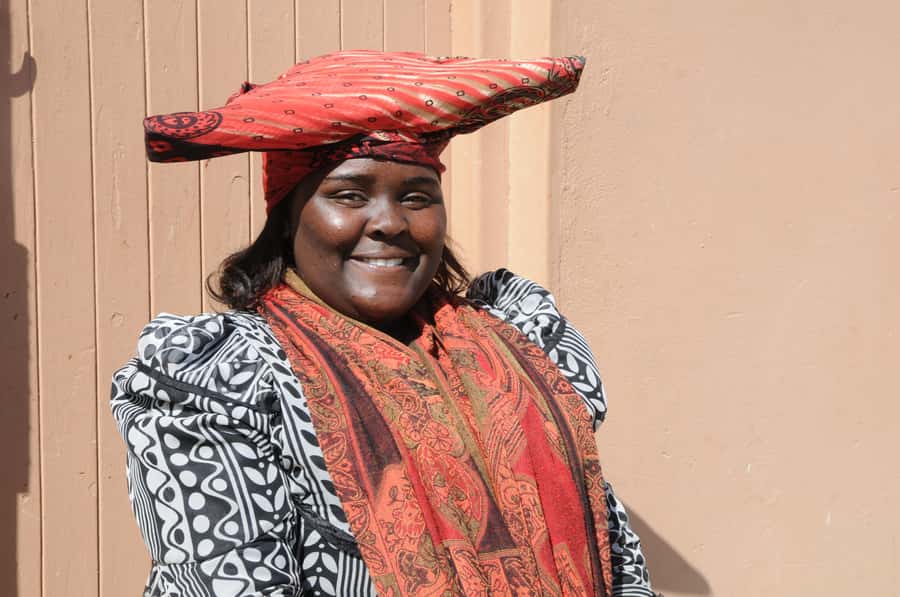
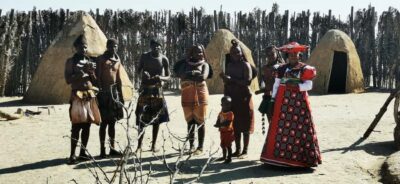
On afternoon and weekend tours, the group makes a short drive to visit a Herero woman. She discusses her dress and Herero culture, giving you a focused look at a tradition that is visually distinctive and tied to identity.
Because this visit is not available on every departure, timing matters. If learning about Herero clothing is high on your list, select an afternoon or weekend option and confirm the start time before booking. A morning weekday tour may not include it.
The visit is described as a conversation rather than a fashion show. That is important. You can expect cultural explanation, not merely a chance to take pictures of traditional clothing. Ask respectful questions about the meaning of the dress and listen to the answers.
This stop also shows why a private group can be helpful. With your own guide, you can ask for clarification and spend your attention on the details that interest you. The exact amount of time available will depend on the schedule, since the full tour lasts only three hours.
The Shebeen And A Family Meal

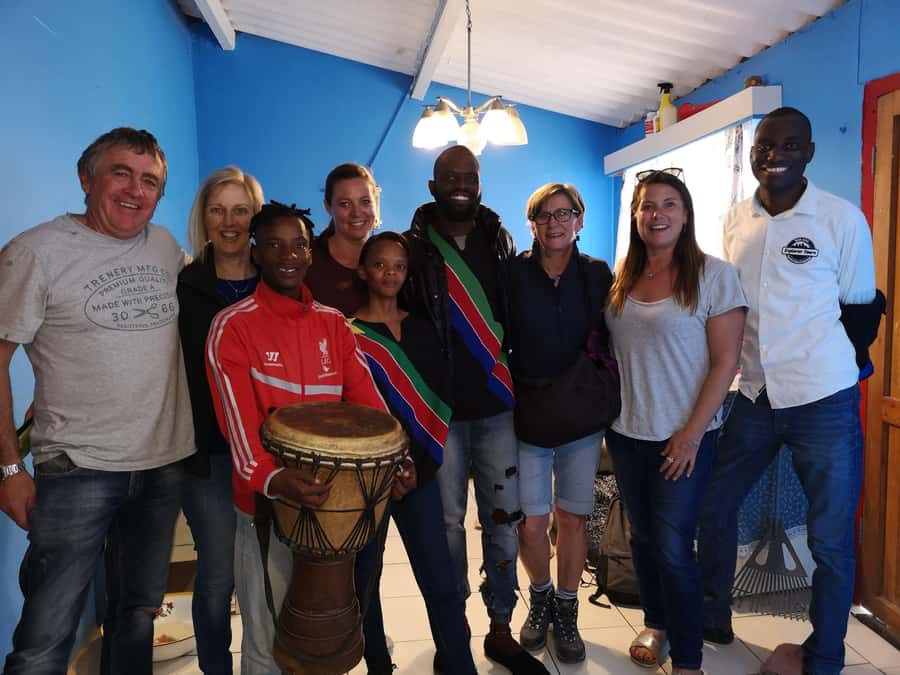
The food portion is likely to be the most social part of the outing. You stop for drinks at a shebeen, an African bar, before visiting a local family home for traditional food. The meal may be served as lunch or dinner, depending on the tour timing.
The menu is far more adventurous than a standard restaurant plate. You may try:
- Ondjuhwa: barbecue chicken
- Omagungu: mopane worms
- Mahangu porridge: millet porridge
- Omakunde: beans
- Oofukwa: ground nuts
- Onyandi, Oombe, and Ondunga: wild fruits and berries
Mahangu porridge and beans may feel familiar as hearty staples, while mopane worms are the item many people will approach with a little caution. You do not need to pretend every flavor is your favorite. Trying a small portion, asking what you are eating, and showing respect for the meal is enough.
The family-home setting is the important part. Food becomes a way to talk, not just something placed in front of you. You can ask about ingredients and preparation, and you get a more personal sense of hospitality than you would at a conventional restaurant.
The supplied details call the meal a local traditional lunch, while the itinerary also allows for lunch or dinner. Confirm the exact meal timing when you check availability. If you have allergies, dietary restrictions, or strong food concerns, ask before booking, since no alternative menu is specified.
The instruction to bring sweets or stationery for children also deserves careful handling. If you choose to bring something, keep it modest and offer it through your guide or host rather than handing out items randomly. Stationery can be more useful than candy, but the tour does not require you to bring gifts.
Live Acapella And The Human Side Of The Tour

A live acapella performance is included among the highlights. Music gives the visit a shared moment that does not depend on a long explanation. You hear people performing together, rather than simply learning about culture through a speech.
The available details do not state exactly where or when the performance takes place. It may be linked to the family visit or another community stop, so ask your guide about the schedule at the start.
I like that music sits beside the food and conversation. The experience is not built only around looking at buildings. It gives you several ways to connect with the community, including sound, taste, and personal stories.
At the same time, you should avoid expecting a large concert. The wording points to a live performance, not a full stage production. The value is in the close setting and the local connection.
Is $80 Per Person A Fair Price?

The cost is $80 per person. That is not the cheapest way to spend three hours in Swakopmund, but the price includes private transport, a live guide, and a traditional meal. It also covers several different stops rather than one short township walk.
The value improves if you care about personal access and have a small group. A private tour lets you ask questions at your own pace and discuss topics such as Mondesa’s past, DRC housing, Nama herbal practice, Herero clothing, and food. You are paying for access and interpretation, not just a vehicle ride.
The price may feel less attractive if you mainly want a quick sightseeing loop or a shopping stop. The craft market is small, and the route is designed around meeting people and learning. You should not book it expecting luxury transport, a large buffet, or a long performance.
For me, the included family meal makes the price easier to justify. Transport from your accommodation also removes a practical chore. If you are already planning a meal elsewhere, though, compare the cost with what you value more: a restaurant evening or a hosted cultural visit.
Timing, Comfort, And Who Should Book
The tour lasts three hours, with starting times available according to the date you choose. Since it packs several stops into a short period, arrive ready to move between walking sections, vehicle rides, and conversations.
Wear comfortable shoes, sunglasses, a sun hat, and sunscreen. Namibia’s sun can be strong, and the tour includes time outside. Do not bring pets, smoke during the outing, or carry luggage and large bags.
The activity is wheelchair accessible, which is useful information for many visitors. However, it is not suitable for pregnant women or people with back problems. The supplied information does not explain the exact reason for those restrictions, so ask the operator for more detail if you need to assess the physical demands carefully.
I would recommend this tour to you if you want direct contact with local culture and prefer a small, private setting. It suits curious eaters, photographers who can work respectfully, and anyone who wants more than Swakopmund’s familiar tourist center.
You may want to skip it if you dislike community visits, are uncomfortable trying unfamiliar food, or want a relaxed schedule with long stops. The route is full, and the focus is participation and conversation rather than polished sightseeing.
The guide’s background is a real strength. Someone raised in Mondesa can explain the township in a way that feels more grounded than a generic script. One verified January 2026 booking specifically praised the guide’s excellent German and his ability to discuss both local life and historical matters in an authentic way. German-speaking visitors should consider that a particularly useful advantage.
Should You Book The Mondesa Tour?
Book it if you want Swakopmund to feel like a lived-in town, not just a base for desert excursions. The combination of Mondesa streets, DRC housing, a Nama herbalist, Herero culture, live acapella, and a family meal gives you a broad introduction in only three hours.
Before paying, check the departure time if the Herero visit matters to you. Also ask about meal timing and mention any dietary needs. For $80 per person, this is a fair choice for an intimate cultural experience with transport and food included, but it is best suited to people who value conversation over comfort and genuine contact over a polished show.
FAQ
How long does the Mondesa Cultural Township Tour last?
The tour lasts three hours.
What is included in the price?
Transport and a local traditional lunch are included. The itinerary also describes a traditional meal at a local family home, which may be lunch or dinner depending on timing.
Is hotel pickup available?
Yes. Pickup is provided directly from your hotel accommodation.
Which languages are available?
The tour is available with a live guide in English or German. An English or German audio guide is also included.
Is the Herero cultural visit offered on every tour?
No. The visit to a Herero woman discussing her dress and culture is available on afternoon and weekend tours only.
Can I cancel for a full refund?
Yes. You can cancel up to 24 hours in advance for a full refund. You can also reserve now and pay later.
Written up most recently in Swakopmund
- Walvis Bay Shore Excursion: Flamingos, Dune 7, Swakopmund★ 5.0 · 3 reviews
- 7 Days-Desert adventure, Swakopmund & Etosha Lodging Tour★ 5.0 · 2 reviews
- 06 Days Etosha, Swakopmund and Sossusvlei | Guided Lodge★ 5.0 · 2 reviews
- Seal Kayaking at Pelican Point from Swakopmund★ 5.0 · 8 reviews
- Swakop River Valley & Spitzkoppe Full Day 4×4 tour from Walvis Bay★ 5.0 · 3 reviews
- Private Half Day Coast Tour of Walvis Bay and Swakopmund City★ 4.0 · 6 reviews
- Walvisbay Dune 7 and Swakopmund Town Half Day Guided Tour★ 4.0 · 4 reviews
- Unforgettable Half Day Adventure, Explore Sandwich Harbour★ 5.0 · 3 reviews
Township Tours, compared.
Half-Day Windhoek City and Township Cultural Tour
Read our review →
Katutura Tour – Experience Genuine Namibian Life
Read our review →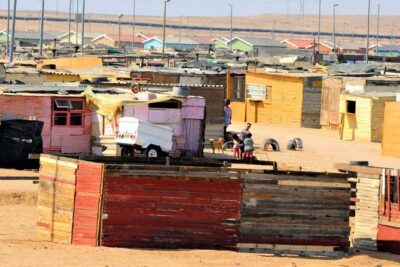
Swakopmund Best Cultural Historical Township Tours Namibia
Read our review →Browse the lists this tour appears in