
Reviewed · TOWNSHIP TOURS
Windhoek: Katutura Township and City Walking Tour
Windhoek reveals itself street by street. This three-hour private outing combines major landmarks with Katutura township, local food, markets, and personal contact that a standard city circuit often misses. I like the mix of formal history and everyday life, especially the chance to see Namibia beyond the tidy central streets. I also like that guide James has been praised for making the past clear and engaging.
The main caution is scheduling. On Sundays, several planned stops may be closed, including museums, the parliament area, churches, and craft venues. The tour can then become much more focused on Katutura and markets, so check the day before booking. At $49 per person, the price is fair when the full route operates, but less convincing if most indoor sites cannot open.
In This Review
- Five things to know before you book
- What this Windhoek tour is really trying to show you
- Christuskirche and the German-built city center
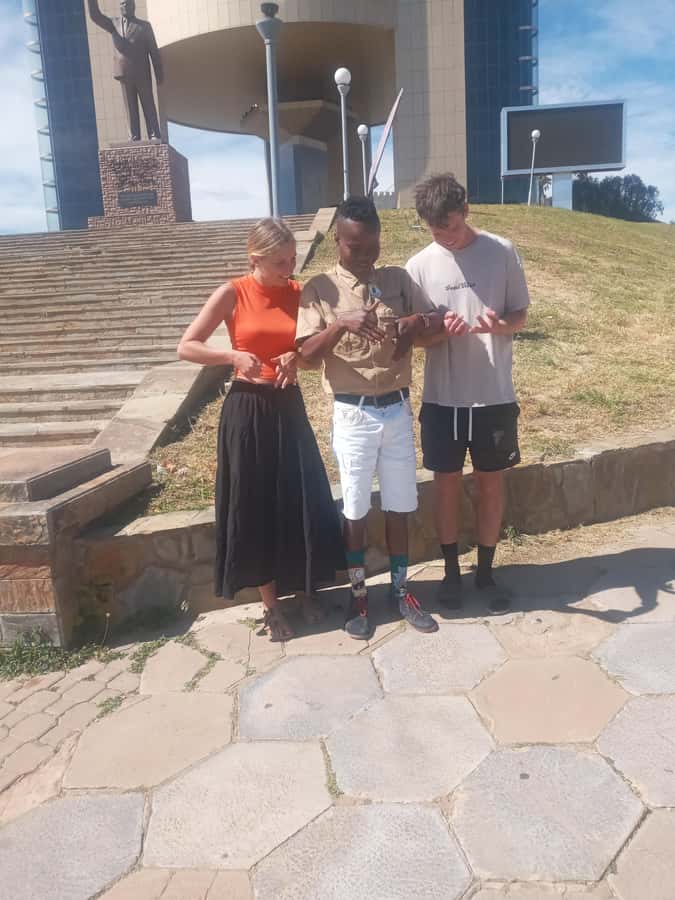
- The Tintenpalast and Namibia’s political story
- Independence Memorial Museum and the Genocide Memorial Monument
- Windhoek Crafts Centre and the value of buying local
- Pepata Traditional Food Restaurant and omahangu porridge
- China Town and Okahandja Park
- Katutura, where the tour becomes personal
- Single Quarter Open Market and Old Location
- How much value do you get for $49?
- Who should book this experience?
- Should you book the Katutura and city tour?
- FAQ
- How long does the Windhoek tour last?
- What language is the tour conducted in?
- Is this a private tour?
- Is pickup included?
- Does the tour include meals and drinks?
- What historical sites are included?
- Does the tour visit Katutura and local markets?
- What should I bring?
Five things to know before you book
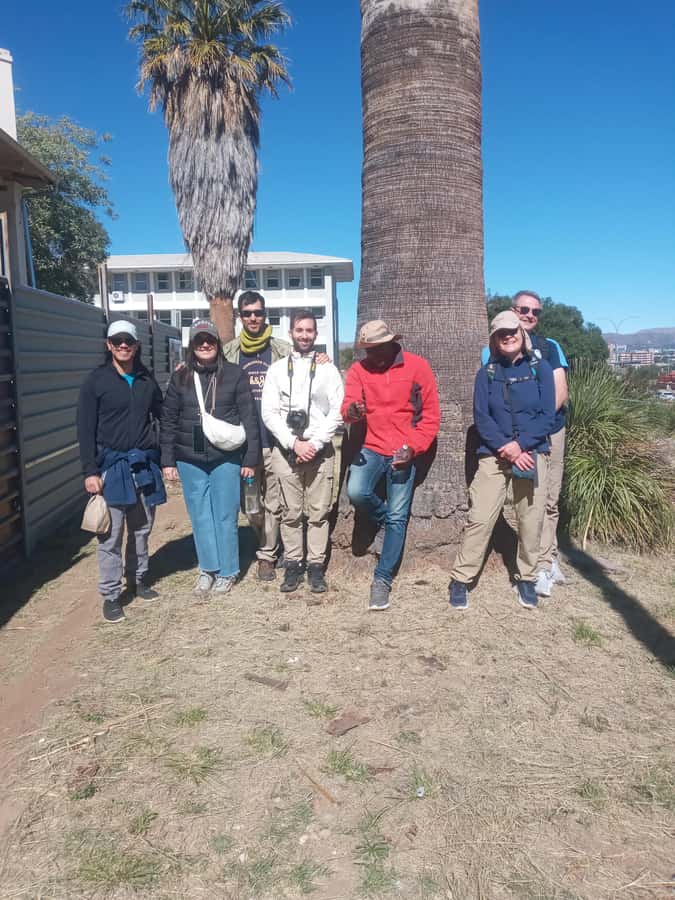
- Katutura is the emotional center: You get a closer look at community life and may visit a local home, depending on the guide and arrangements.
- The route mixes walking and driving: Pickup is included, and reviews refer to a driver and vehicle, so this is not three hours entirely on foot.
- Sunday changes the experience: Many named sights can be closed, leaving a less complete version of the advertised route.
- James receives strong praise: Several people found his explanations of Namibian history clear, warm, and engaging.
- Pepata adds local flavor: The traditional food stop may introduce you to dishes such as omahangu porridge, though meals and drinks cost extra.
- The private format helps: Your group can ask questions and spend more time on subjects that interest you.
What this Windhoek tour is really trying to show you
Windhoek is not a city you understand by seeing only a church, a government building, and a museum. Those places matter, but the bigger lesson comes from connecting them with Katutura, Old Location, the Single Quarter market, and the communities that shape present-day Namibia.
That is the strength of this experience. You move from German colonial-era buildings to monuments about independence and genocide, then into markets, food, and township streets. The contrast is useful. It shows how public memory, politics, migration, ethnicity, and daily survival all sit close together in the capital.
The tour is listed as a walking tour, but you should expect transport between parts of the route. Pickup is included, the information refers to a vehicle, and one review describes a driver accompanying guide James. You will walk at several stops, so wear comfortable shoes, but this is not a continuous three-hour city stroll.
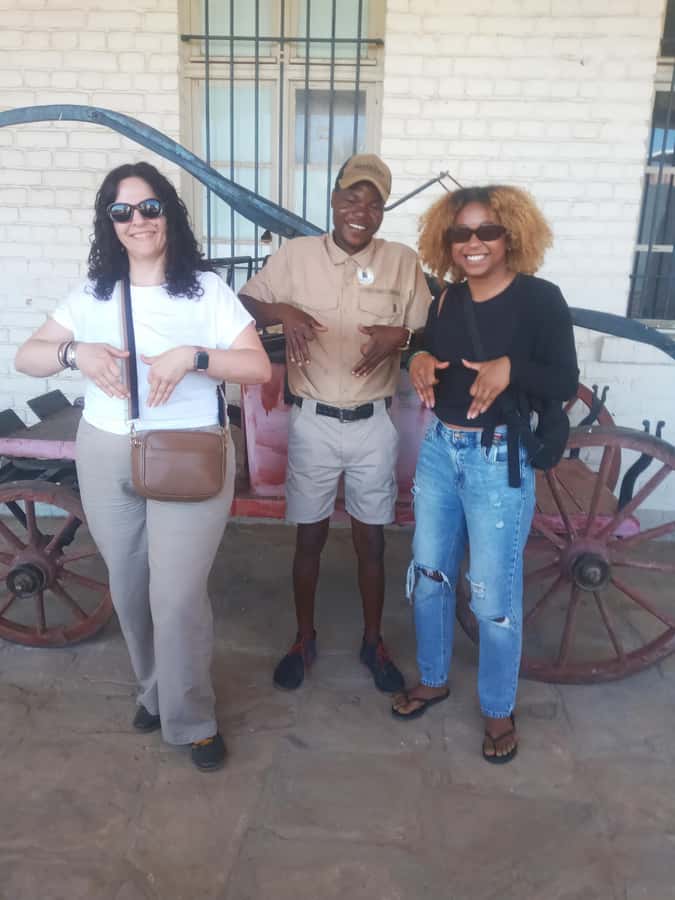
The group is private, and the guide speaks English. That matters in a tour covering sensitive history. You can ask for clarification instead of simply following a fixed speech, and you have a better chance to discuss what you are seeing.
More City Tours in Windhoek
- Windhoek: City and Township Tour
★ 4.8 · 430 reviews - Half-Day Windhoek City and Township Cultural Tour
★ 4.5 · 187 reviews - Windhoek City Tour
★ 5.0 · 113 reviews
Christuskirche and the German-built city center
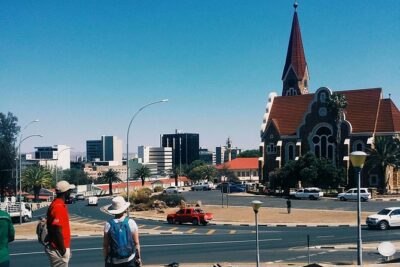
The first major stop is Christuskirche, also described as the German Lutheran Church. German settlers built it between 1907 and 1910, making it one of the clearest reminders of Windhoek’s colonial past.
The church is worth seeing not simply for its appearance, but for what it represents. It belongs to the period when German rule shaped the city’s buildings, administration, and social order. A guide can help you place the church within that larger story rather than treating it as a stand-alone photo stop.
Do not expect a long visit if the church is closed or if time is tight. Sunday is the key warning here. One disappointed customer found Christuskirche and several other scheduled sights shut that day, so you should confirm opening conditions before you commit to a Sunday tour.
The Tintenpalast and Namibia’s political story
The Parliament of the Republic of Namibia is housed in the Tintenpalast, a building constructed by German settlers. Its name is commonly translated as Ink Palace, a nod to the government work once carried out there.
This stop links the colonial city to modern Namibia. The building is not just an old facade. It is part of the country’s current political center, which gives the tour a useful chance to explain how Namibia moved from German rule and later South African administration to independence.
Access is the issue. The tour includes a visit to the parliament area, but that does not guarantee an interior visit. On Sundays, the site may be closed, and one account says the group mainly drove through some locations rather than stopping. Treat this as a guided look at an important place, not a guaranteed behind-the-scenes parliamentary tour.
Independence Memorial Museum and the Genocide Memorial Monument
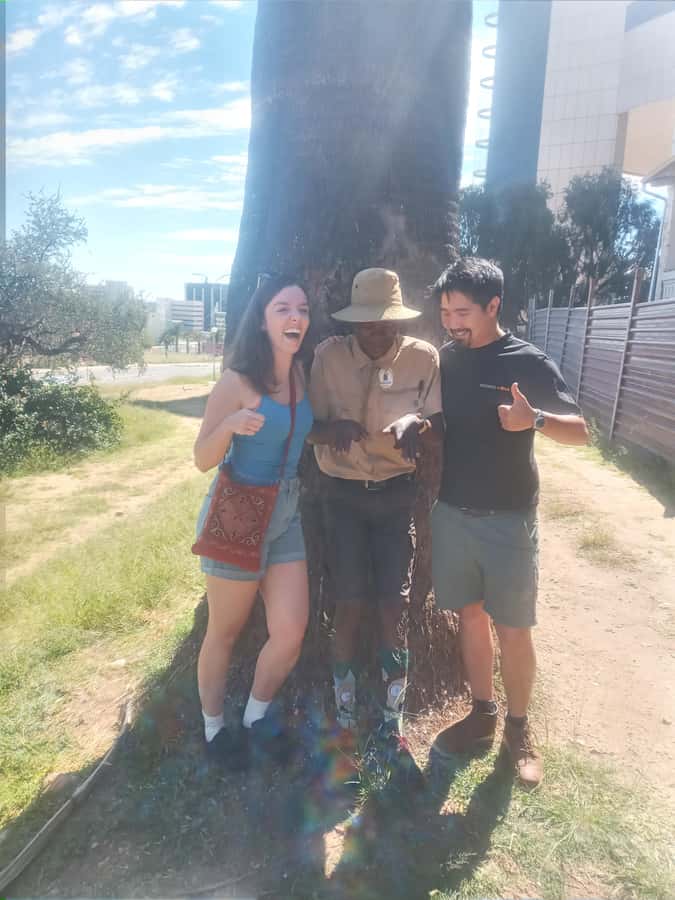
The Independence Memorial Museum was built by North Korea in 2014. Its design and position make it an unmistakable part of central Windhoek, but the real reason to visit is the national story inside: Namibia’s path toward independence and the conflicts that shaped it.
The nearby Genocide Memorial Monument adds a more difficult layer. It commemorates the war involving the Herero and Nama peoples and German involvement. This is not light sightseeing. You should expect the guide to address violence, colonial power, and the long effect of those events on Namibian memory.
I value this part of the route because it prevents the city tour from becoming a collection of attractive buildings. The monuments ask you to think about who had power, who suffered, and how a country chooses to remember.
Again, opening times matter. These are among the stops most likely to change on a Sunday. If the museum is closed, you may still see the memorial area, but you will lose the indoor context that makes the visit more useful.
More Township Tours in Windhoek
- Katutura – Classic Township Experience
★ 5.0 · 22 reviews - Katutura Tour – Experience Genuine Namibian Life
★ 5.0 · 11 reviews - Katutura:tours and transport around the townships
★ 3.4 · 6 reviews - Windhoek: City & Township tour. Vehicle, guide, kapana
★ 4.2 · 4 reviews
Windhoek Crafts Centre and the value of buying local
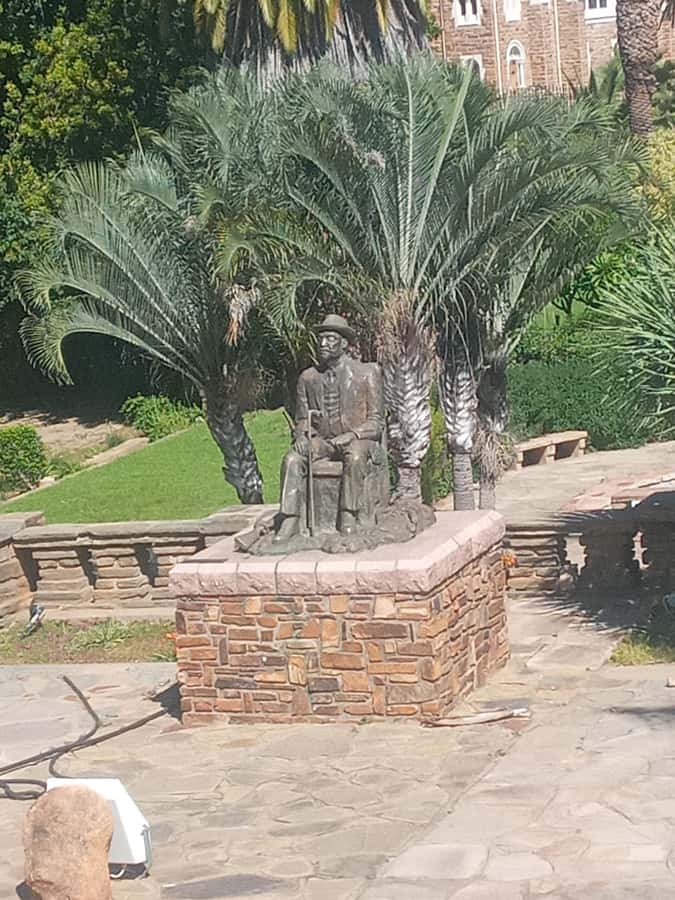
The Windhoek Crafts Centre gives you a chance to see local artisans and browse handmade work. It is a more relaxed stop after the heavier historical sites, and it allows you to connect culture with practical support for makers.
The appeal is not only shopping. You can ask about materials, techniques, and the people who produce the work. If you want a souvenir with a clear connection to Namibia, this is a better place to look than a generic shop.
The centre may not be open every day. Sunday closures are a proven concern for this tour, so do not assume the crafts stop will operate simply because it appears in the route. If you are keen to buy something, a weekday booking makes more sense.
Pepata Traditional Food Restaurant and omahangu porridge
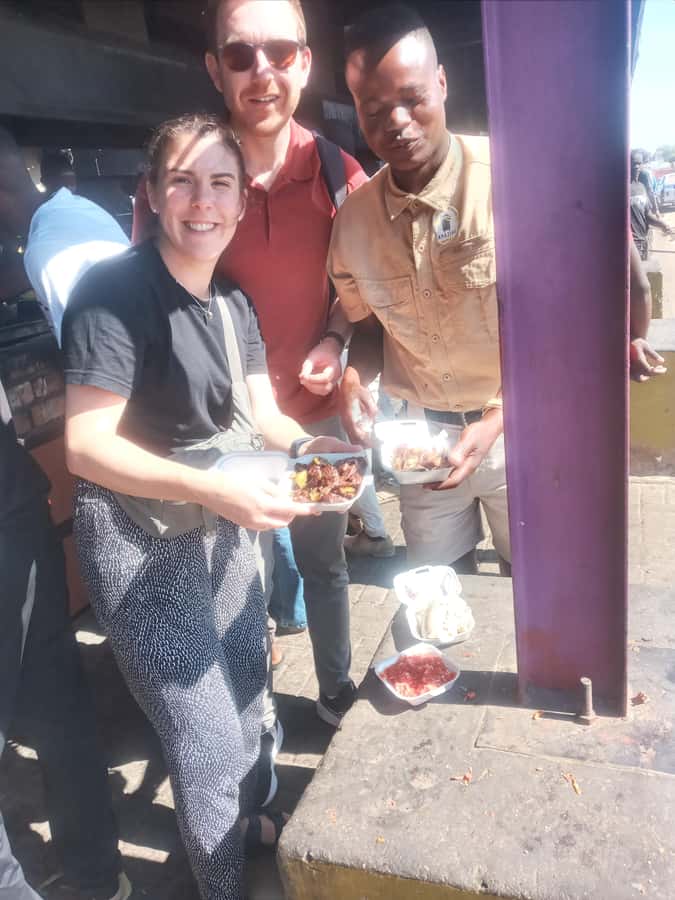
Pepata Traditional Food Restaurant is included as a stop to introduce traditional dishes. Omahangu porridge is specifically named, giving you a taste of food made from pearl millet, a staple associated with Namibia.
This is one of the tour’s most useful cultural touches. Food explains daily life in a way that a monument cannot. You can ask what a dish is, how it is eaten, and where it fits into local cooking traditions.
Meals and drinks are not included in the $49 price, so budget separately. Also, the food visit is not guaranteed in the same way as a prepaid restaurant meal. One Sunday customer said the promised tasting did not happen, while other accounts describe trying local specialties at a market. Keep your expectations flexible and bring an appetite, but do not book this solely as a food tour.
China Town and Okahandja Park
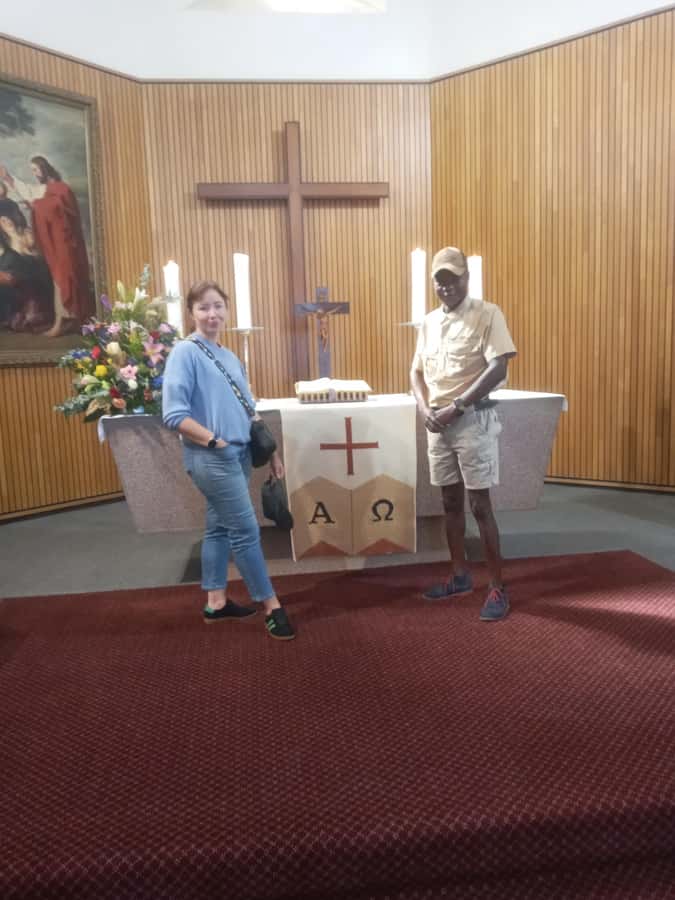
China Town gives the route another social and commercial angle. The area has a significant Chinese community and offers a look at the many connections that shape modern Windhoek. It is not presented as a major monument, and that is part of its value. You are seeing a working part of the city rather than a polished heritage stop.
The visit to Okahandja Park is described as a look at a rural settlement. This can be a strong counterpoint to central Windhoek, especially if you want to understand how people live outside the formal center. The experience is likely to be more observational than museum-like, so listen carefully and ask respectful questions.
This is also where the guide’s judgment matters most. A township or settlement visit should never become a spectacle. The best approach is to follow the guide’s lead, ask before taking photographs, and remember that people live and work here. The tour’s private format can help you discuss what you see without the noise of a large group.
Katutura, where the tour becomes personal
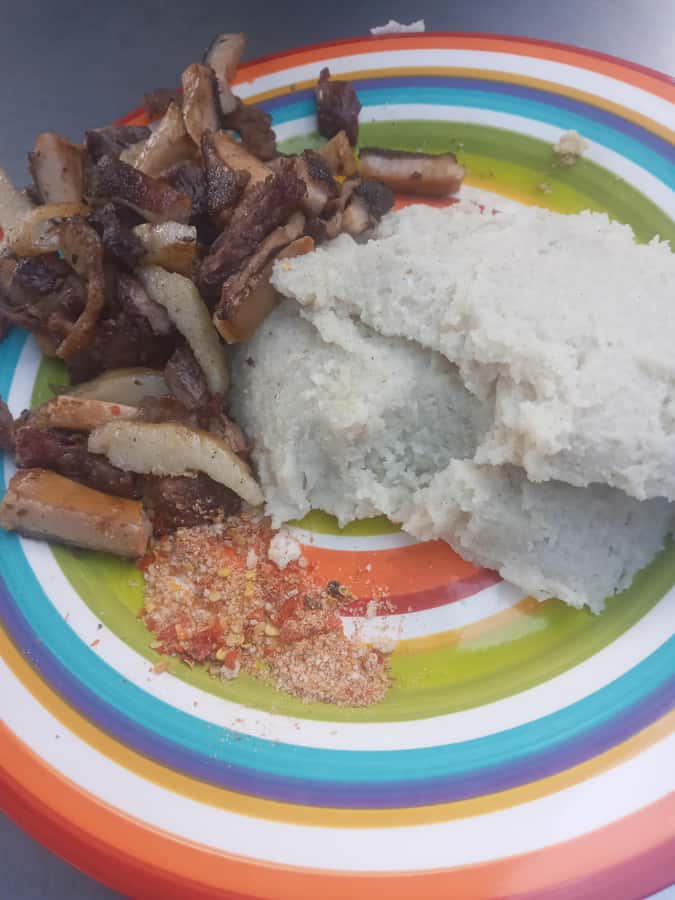
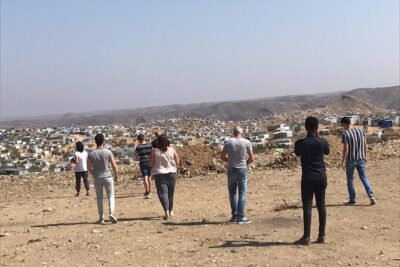
Katutura is the part of the experience that receives the strongest praise. Several high-scoring accounts describe it as the most moving or interesting section, with a focus on real community life and friendly encounters in difficult conditions.
You might visit the home of your guide, James, or meet people connected to the local community. One person described being welcomed inside a village home and seeing how the interior was arranged. That kind of access can make the visit far more personal than simply driving past a township sign.
At the same time, you need to know what you are signing up for. This is not a staged cultural show, and it may feel unfamiliar or uncomfortable. One dissatisfied Sunday booking said the guide spent much of the altered tour visiting friends and family, leaving the group uneasy. Another person found the township visit highly worthwhile. Both reactions are possible because the experience depends heavily on the guide, the day, and your own comfort level.
James is repeatedly praised for his warmth and explanations. Several people described him as an excellent host who made Namibia’s past easy to understand. If you want a guide who connects history with personal experience, this is likely the strongest reason to choose the tour.
Single Quarter Open Market and Old Location
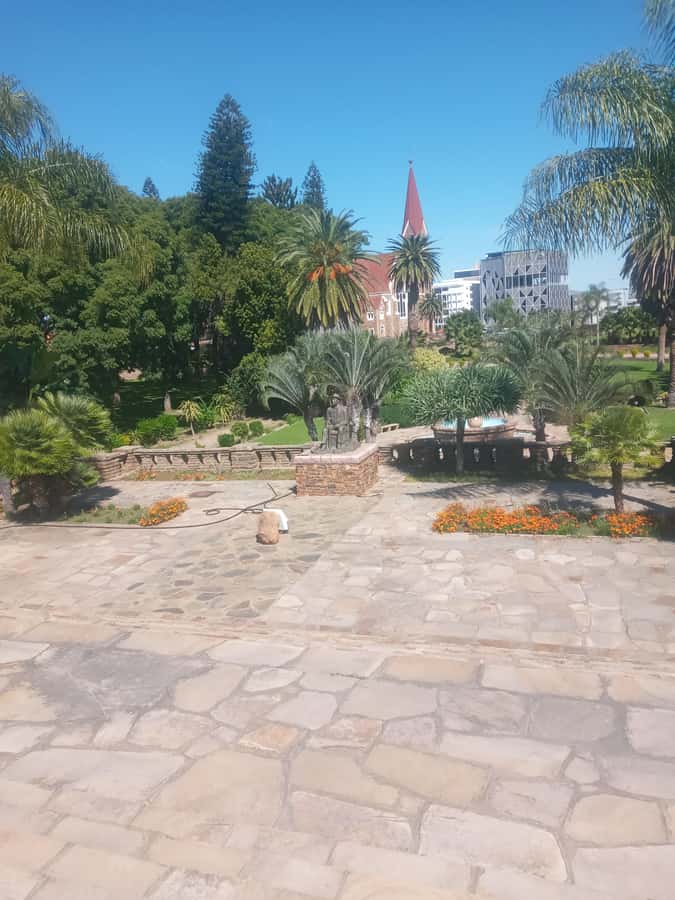
The Single Quarter Community Open Market is the final major stop. People from different Namibian tribes sell traditional products there, creating a chance to see food, crafts, and local commerce in one place.
A market visit is most useful when you slow down. Notice what is being sold, ask about unfamiliar products, and give sellers room to work. If you sample food, expect to pay for anything not included in the tour. The supplied information does not promise a fixed tasting menu here.
The market may also feel intense. One account praised the chance to try freshly prepared specialties, while another Sunday booking felt uncomfortable and wanted to leave. You should be open-minded without feeling obliged to stay, buy, eat, or photograph anything.
Old Location, identified as Windhoek’s first settlement, closes the historical circle. It connects the present-day market and township story with the city’s earliest settled communities. This stop is especially useful because it shows that Windhoek’s history is not limited to German buildings in the center.
How much value do you get for $49?
At $49 per person, the tour offers reasonable value if you want one compact introduction to Windhoek. You receive a private English-speaking guide, pickup, transport between areas, several historical stops, a crafts visit, a food-related stop, and access to parts of the city you might not choose or feel comfortable visiting alone.
The price is less attractive if your main goal is museum entry or a long architectural walk. The duration is only three hours, and the route contains many stops. Some places will be brief, viewed from outside, or passed by vehicle. Personal expenses, meals, and drinks are extra.
I would see the price as payment for context and access, not for admission tickets or a carefully paced museum program. The value rises if James is your guide and you want direct conversation about Namibian history and township life. It falls on a Sunday when the indoor sights close and the planned route changes.
Who should book this experience?
This tour suits you if you have only a few hours in Windhoek and want a broad first look. One person with an extremely short stay said the tour helped fit many important sights into limited time, and that is a real advantage.
It also suits you if you care more about local life than polished attractions. The combination of Katutura, Old Location, Okahandja Park, the Single Quarter market, and traditional food gives you a wider view of Windhoek than a central walking route alone.
You should choose another plan if you want a slow, detailed museum visit, guaranteed access to every listed site, or a tour focused only on architecture. You should also think carefully about comfort and consent around township visits. Go with respect, ask permission before taking photos, and understand that the route may include personal introductions rather than formal sightseeing.
Wear comfortable clothes and shoes. A camera and binoculars are listed as useful items, though the tour information does not promise wildlife or special viewing opportunities. Drinks and alcohol are not allowed in the vehicle.
The activity allows cancellation up to 24 hours before departure for a full refund, and you can reserve now and pay later. Check available starting times, since the total duration is three hours and the actual order can change.
Should you book the Katutura and city tour?
Book it if you want Windhoek explained through both its landmarks and its people. The strongest parts are the historical commentary, the Katutura visit, and the chance to meet local residents or see a home. The 4.7 rating from 15 reviews reflects that many people found the experience personal, informative, and worthwhile.
Before paying, confirm the day and ask exactly what will be open. Avoid Sunday if the museum, church, parliament area, crafts centre, and restaurant matter to you. If you can travel on a weekday and are comfortable with an unpolished, personal township experience, this is a useful three-hour introduction to Windhoek.
FAQ
How long does the Windhoek tour last?
The tour lasts three hours, including the guided city and township visits.
What language is the tour conducted in?
The live guide speaks English.
Is this a private tour?
Yes. The experience is arranged for a private group.
Is pickup included?
Yes. Pickup in Windhoek is included. You should wait at your designated pickup area.
Does the tour include meals and drinks?
No. Meals, drinks, and personal expenses are not included. Traditional food may be available at Pepata Traditional Food Restaurant or a market, but you should budget separately.
What historical sites are included?
The route includes Christuskirche, the Tintenpalast, the Independence Memorial Museum, the Genocide Memorial Monument, and Old Location.
Does the tour visit Katutura and local markets?
Yes. It includes Katutura, the Single Quarter Community Open Market, Windhoek Crafts Centre, China Town, and Okahandja Park rural settlement.
What should I bring?
Bring comfortable shoes, comfortable clothes, and a camera. Binoculars are also listed as recommended. Drinks and alcoholic drinks are not allowed in the vehicle.
More Walking Tours in Windhoek
- Windhoek: Bushman Walk with the San
★ 4.9 · 145 reviews - Private Guided Walking Tour with the San in Windhoek
★ 5.0 · 20 reviews - Windhoek : Cheetah walk Experience
★ 4.6 · 8 reviews
Written up most recently in Windhoek
- Windhoek: Okapuka Game Ranch Guided Tour★ 5.0 · 2 reviews
- Windhoek : Cheetah walk Experience★ 4.6 · 8 reviews
- Windhoek: City & Township tour. Vehicle, guide, kapana★ 4.2 · 4 reviews
- Windhoek: Katutura Township Tour with Local Guide★ 3.5 · 3 reviews
- Windhoek City Tour★ 3.5 · 7 reviews
- Knight Vibes: Bars, Shebeen, Clubs Crawl Windhoek★ 5.0 · 3 reviews
- Predator Encounter: Half-Day Carnivore Feeding Windhoek★ 4.0 · 5 reviews
- Discover the Routes of N/a’an ku sê.★ 4.0 · 6 reviews
Township Tours, compared.
Half-Day Windhoek City and Township Cultural Tour
Read our review →
Katutura Tour – Experience Genuine Namibian Life
Read our review →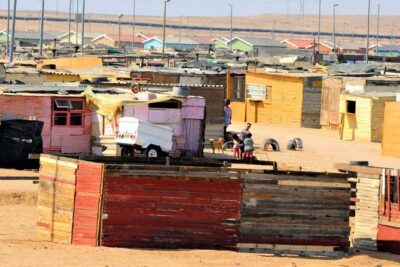
Swakopmund Best Cultural Historical Township Tours Namibia
Read our review →
Local Guided Walvisbay & Swakopmund Township Experience Day Tour
Read our review →Browse the lists this tour appears in