
Reviewed · ETOSHA SAFARI TOURS
6 Day Sand, Sea & Etosha Budget Camping Safari
Namibia rewards early risers. This six-day safari packs Sossusvlei at sunrise and two Etosha game-drive days into one practical route from Windhoek. I like the small maximum group of nine, and I like the mix of tent camping, coastal accommodation, desert scenery, and wildlife without the price of a luxury lodge.
You should be ready for long drives, basic camping, and an early alarm. The price of $1,355.66 covers park fees, meals, camping gear, and guided transport, but not drinks, a sleeping bag, or optional activities. That keeps the cost sensible, though the schedule suits you best if you value scenery and variety more than a slow, polished holiday.
In This Review
- Key points to know before booking
- Why this six-day route works
- Day 1: Windhoek to Sesriem under a camelthorn tree
- Day 2: Sossusvlei and the best light at Dune 45
- Day 3: Crossing the Namib to Swakopmund
- Day 4: From the coast to Etosha’s Okaukuejo waterhole
- Day 5: Etosha waterholes and the road to Halali
- Day 6: Returning to Windhoek through Okahandja
- What the $1,355.66 price really covers
- Camping, comfort, and the group size
- Who should book this safari?
- Should you book the six-day Namibia safari?
- FAQ
- Where does the safari start?
- How long is the tour?
- What is the maximum group size?
- Is camping equipment included?
- Are meals included?
- Are drinks and bottled water included?
- Are optional activities included in the price?
Key points to know before booking
- Sunrise at Dune 45: You leave before dawn to reach one of Namibia’s most photographed dunes as the sand shifts from shadow to orange and red.
- Small group of up to nine: A compact vehicle group makes the long drives and camp routine more personal and manageable.
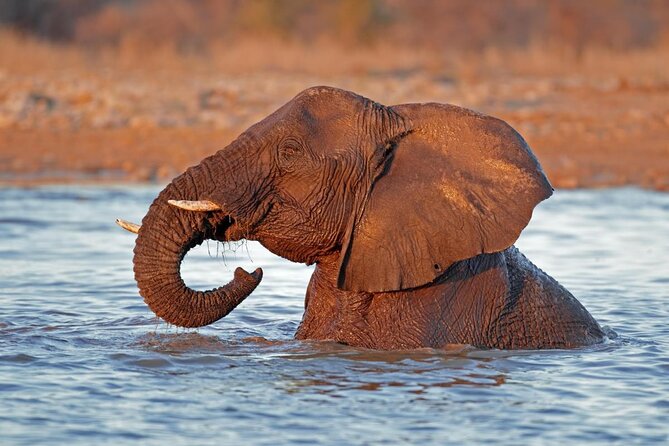
- Two full days around Etosha: Waterholes give you a strong chance to see animals without spending the whole trip in a vehicle.
- A useful budget package: Park entry, camping equipment, five breakfasts, six lunches, and four dinners are included.
- Camping without a sleeping bag: Bring your own or hire one, since it is the main camping item not supplied.
- Guides can shape the experience: Raymond receives particular praise for helping first-time campers feel comfortable, while Simon is also named warmly by a past participant.
Why this six-day route works
I see this trip as a fast, well-chosen introduction to Namibia. In six days, you move from the red dunes near Sesriem to the Atlantic coast at Swakopmund, then north to Etosha’s waterholes before returning to Windhoek.
That range is the main reason to choose it. You are not seeing one region in depth, but you are getting three very different sides of the country: desert, coast, and wildlife. The route also includes cultural and local touches, such as the woodcarving market at Okahandja.
The pace is active. Some driving days take six to eight hours, and the early start at Sossusvlei is not optional if you want the best light. I would choose this safari for a first visit, a solo trip, or a budget-minded pair who wants a guided route and does not want to manage Namibia’s long distances alone.
More Etosha Safaris in Windhoek
- 9 Day Etosha, Skeleton Coast and Sossusvlei Camping and Lodge Safari
★ 5.0 · 21 reviews - 4-Day Etosha And Swakopmund Accommodated Adventure from Windhoek
★ 4.5 · 19 reviews - Etosha Express Safari 3 Days / 2 Nights
★ 5.0 · 11 reviews
Day 1: Windhoek to Sesriem under a camelthorn tree
Pickup begins at 7:00 a.m. within Windhoek city limits. You are then transferred to Chameleon headquarters for a short pre-departure meeting before setting out toward Sesriem.
The road climbs onto Namibia’s central plateau, with mountain views along the way. Rehoboth is the practical stop for essential supplies, and the route continues through the small community of BűellsPort. This is a useful first day because you see the country changing as you leave the capital behind.
The aim is to reach Sesriem around lunchtime. Your campsite is set beneath a large, old camelthorn tree, with a view toward the red dunes of the Namib Desert. That setting gives the first night a real sense of place, even though the camping itself is simple.
Lunch is picnic-style after camp is set up. The day takes about six hours, so you have some time to settle in rather than arriving just before dark. Still, do not expect a resort-style afternoon. You will be helping with the camp routine, and the main reward is being close to the dunes before the next morning’s early start.
I like this opening because it avoids wasting the first day in Windhoek. You move straight into the desert and sleep near the main attraction. The tradeoff is that you need to arrive ready for a full day on the road, with supplies and personal items organized before pickup.
Day 2: Sossusvlei and the best light at Dune 45
Day two begins before sunrise. You travel the first 45 kilometers toward Dune 45 in darkness and early twilight, arriving in time to climb for the day’s first light.
The timing matters. At sunrise, the dunes can show glowing orange and apricot-red faces beside long, cool shadows. The changing light gives the sand shape and depth that disappears once the sun is high. If photography matters to you, this is one of the strongest parts of the trip.
Dune 45 is named for its distance from Sesriem. You climb to a viewpoint and watch the colors shift, then return to the vehicle for a quick breakfast. The schedule is designed around the dunes rather than around sleeping late, and that is exactly right.
A Sossusvlei excursion is included, along with the national park entry fee. The supplied information does not spell out every stop within the excursion, so I would focus on the main value: access to the famous dune area with transport and a guide, without needing to arrange a separate visit.
This is also the day when the budget format is easiest to appreciate. A private desert outing can add up quickly once you include park access, transport, and a guide. Here, those core costs are part of the package.
The drawback is physical and practical. You need a moderate level of fitness, and climbing a dune in soft sand can be tiring. Add the pre-dawn start and a quick breakfast, and you may feel ready for a quiet evening afterward. Bring a camera, water allowance, sun protection, and shoes that can handle sand.
Day 3: Crossing the Namib to Swakopmund
After an early breakfast, you head west toward Swakopmund. The route crosses the Namib gravel plains, where broad flat areas are broken by large mountain inselbergs. It is a stark kind of scenery, with distance and silence doing most of the work.
You cross the Tropic of Capricorn at 23.5 degrees south. There is a signpost for a photo stop, giving you a small but memorable marker on a long road day.
The route also includes the Gaub River canyon and Kuiseb Pass. The Kuiseb River has cut through the rock over a very long period before reaching the Atlantic coast. The road climbs through the mountain country and then drops into the canyon, creating some of the day’s most interesting changes in elevation and scenery.
The drive takes about six hours. On paper, that may not sound excessive, but the open distances make the day feel like a proper transfer. I would treat the journey itself as part of the experience rather than expecting a string of attractions.
Swakopmund is described as Namibia’s adventure capital and the base for two nights of accommodation. That gives you a welcome change from the tented portion of the route. It also means you are not carrying the full camping routine through every night of the trip.
Optional activities are not included. The useful point is that you have time in Swakopmund for your own choice of add-on, but you need to budget separately. If you want to keep the trip close to the advertised price, enjoy the town and the coastal setting without adding paid activities.
More Safaris in Windhoek
- 6-Day Dunes and Wildlife Accommodated Safari from Windhoek
★ 5.0 · 123 reviews - 12 Day Classic Namibia Camping Safari
★ 5.0 · 77 reviews - 3 Day Sossusvlei Budget Camping Safari
★ 5.0 · 62 reviews - 7 Day Southern Namibia and Sossusvlei Camping Safari
★ 5.0 · 26 reviews
Day 4: From the coast to Etosha’s Okaukuejo waterhole
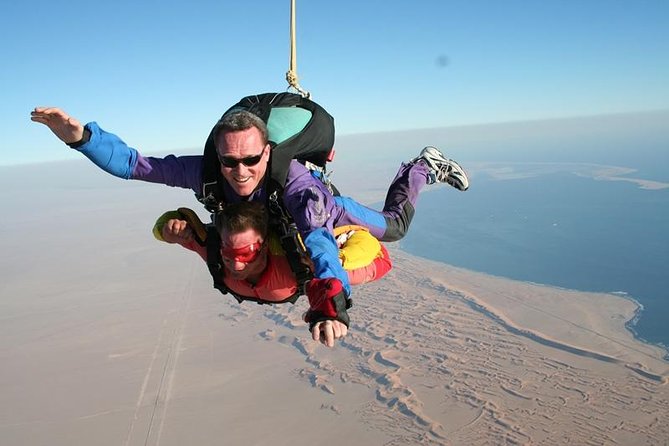
After breakfast, the target is to be on the road by 9:00 a.m. You take a scenic paved route toward Etosha National Park and aim to arrive in the afternoon.
The first camp drive begins as you enter the park. You set up camp at Okaukuejo, then have the evening at the waterhole. This is one of the smartest features of the schedule because you do not need to travel back out after camp is ready.
Okaukuejo’s waterhole is a natural gathering place for wildlife, and the evening gives you a chance to watch animals come to drink. The attraction is not just the possibility of a sighting. It is the patience of the setting: you can sit at the waterhole and let the animals approach rather than constantly searching from a moving vehicle.
Etosha is a dry park, so water controls much of the animal movement. That makes a waterhole-based approach especially useful. You may find the experience quieter and more rewarding than racing from one distant sighting to another.
The day is listed at about seven hours, including the route and park arrival. You should expect a long day with a camp setup at the end. I like that the park visit begins on arrival instead of being postponed until the next morning, but you should not expect a full day of wildlife viewing on this first Etosha day.
Day 5: Etosha waterholes and the road to Halali
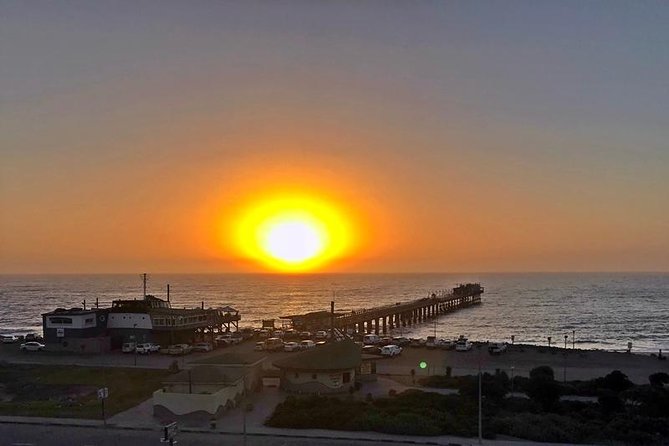
Day five is the main wildlife day. The plan is to visit as many waterholes as possible, using Etosha’s dry conditions to guide the search.
You start with an early morning drink stop, then pause at a designated picnic area for a quick breakfast. After that, the game drive continues toward Halali camp. The day takes about seven hours, so you get a substantial amount of time in the park.
This approach works because Etosha’s waterholes are the focus. Animals need water, and the route is built around giving you repeated chances to see them. The exact sightings can never be promised, but the schedule gives wildlife a fair share of your time instead of treating the park as a quick roadside stop.
Halali’s name comes from a European hunting bugle call that meant the hunt was over. That detail feels oddly out of place in a modern conservation setting, but it also adds context to the park’s past. Your visit is centered on observation, waterholes, and protected wildlife, not hunting.
The included game drives use the Chameleon Safaris vehicle. A maximum of nine people keeps the group from becoming unwieldy, although you should still expect shared viewing and shared decisions about stops.
I would pay close attention to the guide’s skill on this day. A good guide helps you scan patiently, understand why the vehicle stops, and make the most of small signs of wildlife. Raymond is singled out for making a first-time camper feel at ease and for explaining how to put up the tents. That practical help matters on a trip where the guide is both your wildlife leader and part of the camp team.
Day 6: Returning to Windhoek through Okahandja
After breaking camp for the final time, you head south toward Windhoek. The route stops briefly in Otjiwarongo for fuel, then continues through Okahandja.
Okahandja is home to Namibia’s largest woodcarving market. Craftspeople from around the country bring a wide range of pieces, from small souvenirs to much larger carvings. You have the chance to buy something made in Namibia while supporting local artists and communities.
I like this final stop because it gives the return journey a purpose. It is not just a long drive back to the capital. You can end the safari with a practical souvenir and a direct connection to local craft traditions.
The return to Windhoek is expected in the late afternoon. A shuttle takes you to accommodation within Windhoek city limits. The drive takes about eight hours, making it the longest day of the trip. I would avoid booking a tight onward flight or an important appointment that evening.
What the $1,355.66 price really covers
At $1,355.66 per person, this is not bare-bones transport. The package includes camping equipment, national park entry fees, game drives in the Chameleon Safaris vehicle, the Sossusvlei excursion, tap water, six lunches, four dinners, and five breakfasts.
That is a strong list for a six-day route. Park fees alone can make Namibia expensive, and the included meals reduce the need to find food during long transfer days. You also get the central activities rather than paying separately for the desert excursion and Etosha drives.
The exclusions are important. Drinks and mineral water are not included, sleeping bags are not supplied but can be hired, optional activities cost extra, and tips are left to you. If you are trying to hold the total close to the advertised price, plan for those additions before you leave.
The trip offers value through coverage rather than luxury. You are paying for a complete route, transport, park access, meals, and organized camping. You are not paying for private rooms throughout, a flexible schedule, or a high level of personal service.
Camping, comfort, and the group size
The camping equipment is included except for a sleeping bag. If you already own a suitable bag, bring it. If not, hiring one is possible, so this should not stop you from booking, but you need to arrange it rather than assume it is waiting at camp.
First-time campers may find the setup easier than expected because the guide helps show you what to do. Raymond is particularly praised for making a newcomer comfortable and explaining how to put up the tents. That kind of guidance can turn camping from a worry into a manageable part of the trip.
The group maximum is nine people. I consider that a good compromise for the price. You get shared costs and company on long drives, but the group should remain small enough for the guide to communicate clearly.
You need moderate physical fitness. The demands include early starts, dune walking, changing camp, and long vehicle days. I would not choose this safari if you need frequent rest days or want every night in a private room.
Who should book this safari?
I would recommend it to you if you want to see Namibia’s major sights in a short period and prefer a guided trip. It is especially suitable if you are comfortable with basic camping, shared transport, and a schedule that starts early.
It also suits a first visit. The route gives you a clear introduction to the Namib Desert, Swakopmund, and Etosha without forcing you to plan every transfer yourself.
You may want another style of holiday if you dislike long road journeys, need a slow pace, or want guaranteed private accommodation. The two nights in Swakopmund provide a break from camping, but the overall trip remains active and outdoors-focused.
Guide quality is worth considering. Raymond receives strong praise for practical camp help, and Simon is also warmly named by a participant. Since the guide affects both the wildlife drives and the daily camp routine, that personal element can make a real difference.
The experience is non-refundable and cannot be changed after booking. I would only commit once your dates, fitness level, sleeping-bag plan, and return schedule are settled.
Should you book the six-day Namibia safari?
Book it if you want maximum variety for a controlled price. You will see the red dunes at the right hour, cross striking desert country, spend time on the Atlantic coast, and have two Etosha days focused on waterholes.
Skip it if you want a luxury safari, a relaxed pace, or full control over every stop. The best value comes from accepting the shared vehicle, early mornings, basic camping, and long drives as part of the adventure. For the right kind of visitor, that trade is worthwhile: the route is broad, practical, and full of Namibia’s signature scenery.
FAQ
Where does the safari start?
Pickup is offered from accommodation within Windhoek city limits at 7:00 a.m. You are then transferred to Chameleon headquarters for a short pre-departure meeting.
How long is the tour?
The safari lasts approximately six days.
What is the maximum group size?
The maximum group size is nine people.
Is camping equipment included?
Camping equipment is included, but a sleeping bag is not. A sleeping bag can be hired.
Are meals included?
Yes. The package includes six lunches, four dinners, and five breakfasts.
Are drinks and bottled water included?
No. Drinks and water, including mineral water, are not included. Tap water is included.
Are optional activities included in the price?
No. Optional activities are not included and should be budgeted separately.
More 6-Day Experiences in Windhoek
- 6 Day Private Guided Accommodated Namibian Loop
★ 5.0 · 6 reviews - 6 DAYS ETOSHA,SWAKOPMUND & SOSSUSVLEI- NAMIBIA (Lodging)
★ 4.5 · 4 reviews
More Camping Safaris out of Windhoek
- 9 Day Canyons, Dunes & Wildlife Camping and Lodge Safari
★ 4.5 · 23 reviews - 7 Day Northern Namibia and Skeleton Coast Camping Safari
★ 5.0 · 19 reviews - 3 Day Sossusvlei Camping Schedule and Sandwich Habor
★ 4.5 · 9 reviews - 3 Day Camping tour at Etosha National Park
★ 5.0 · 5 reviews
Written up most recently in Windhoek
- Windhoek: Okapuka Game Ranch Guided Tour★ 5.0 · 2 reviews
- Windhoek : Cheetah walk Experience★ 4.6 · 8 reviews
- Windhoek: City & Township tour. Vehicle, guide, kapana★ 4.2 · 4 reviews
- Windhoek: Katutura Township Tour with Local Guide★ 3.5 · 3 reviews
- Windhoek City Tour★ 3.5 · 7 reviews
- Knight Vibes: Bars, Shebeen, Clubs Crawl Windhoek★ 5.0 · 3 reviews
- Predator Encounter: Half-Day Carnivore Feeding Windhoek★ 4.0 · 5 reviews
- Discover the Routes of N/a’an ku sê.★ 4.0 · 6 reviews
Etosha Safari Tours, compared.
ETOSHA PARK SAFARI with local guides in 9-seater 4x4s
Read our review →
Safari in Etosha national park with professional tour guides born in Etosha.
Read our review →
9 Day Etosha, Skeleton Coast and Sossusvlei Camping and Lodge Safari
Read our review →
4-Day Etosha And Swakopmund Accommodated Adventure from Windhoek
Read our review →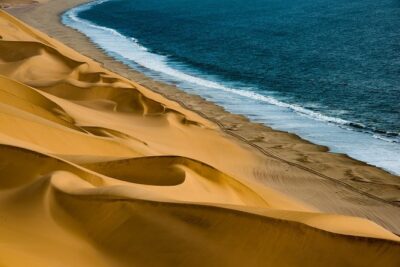
Browse the lists this tour appears in