

Reviewed · TOWNSHIP TOURS
Windhoek: Katutura Township Tour with Local Guide
Katutura puts Windhoek’s history on street level. This four-hour private tour is interesting because your guide grew up in the township, and I like the combination of kapana tasting and personal stories about forced removals. I also like that part of the fee supports local entrepreneurs and youth programs. The main concern is pickup reliability, so confirm the meeting details before you set out.
You will walk through a working neighborhood, not a polished attraction. That is the point, but it also means you should dress for the weather, wear solid shoes, and carry cash. A December 2025 booking reported a long wait after the guide failed to arrive, while the other feedback praised the guide’s local insight and the tour’s genuine feel. That makes communication with Ronpan Tours and Safari especially important.
In This Review
- Key points before you book
- Why Katutura belongs on your Windhoek plans
- Starting at Soweto Market with kapana
- Walking through a neighborhood shaped by removal
- Meeting artisans and visiting a community center
- Stepping inside a family home
- What $68 buys you
- Pickup details deserve extra care
- Who will enjoy this tour most
- The guide makes or breaks the experience
- Practical advice for a smoother visit
- Should you book the Katutura Township Tour?
- FAQ
- How long does the Katutura Township Tour last?
- What food is included?
- Where does the tour start and finish?
- Is the tour private?
- Is the tour offered in English?
- What should I bring?
Key points before you book
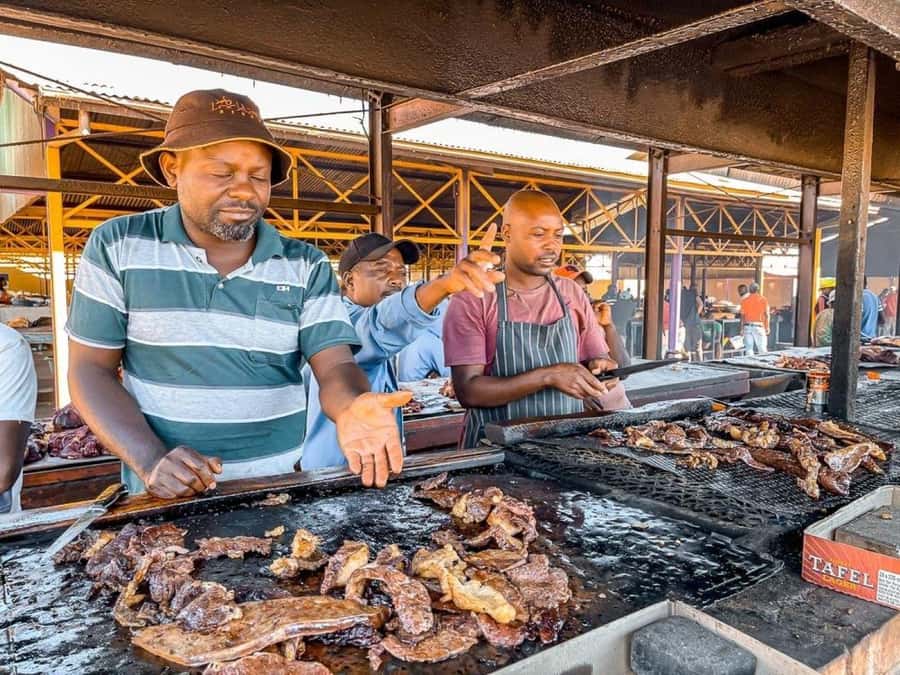
- Kapana at Soweto Market: Try Namibia’s famous grilled meat with local spices, along with other township foods.
- A guide with local roots: Your English-speaking guide was born and raised in Katutura and can explain the area through lived experience.
- History with a human face: Learn how forced removals shaped Katutura and how residents built a strong community afterward.
- More than a market visit: The walk includes a community center, local artisans, and a family home.
- Private four-hour format: You get a private group rather than a large mixed tour, which should make questions and conversation easier.
- A social purpose: A portion of the $68 fee supports community development, local business owners, and youth programs.
Why Katutura belongs on your Windhoek plans
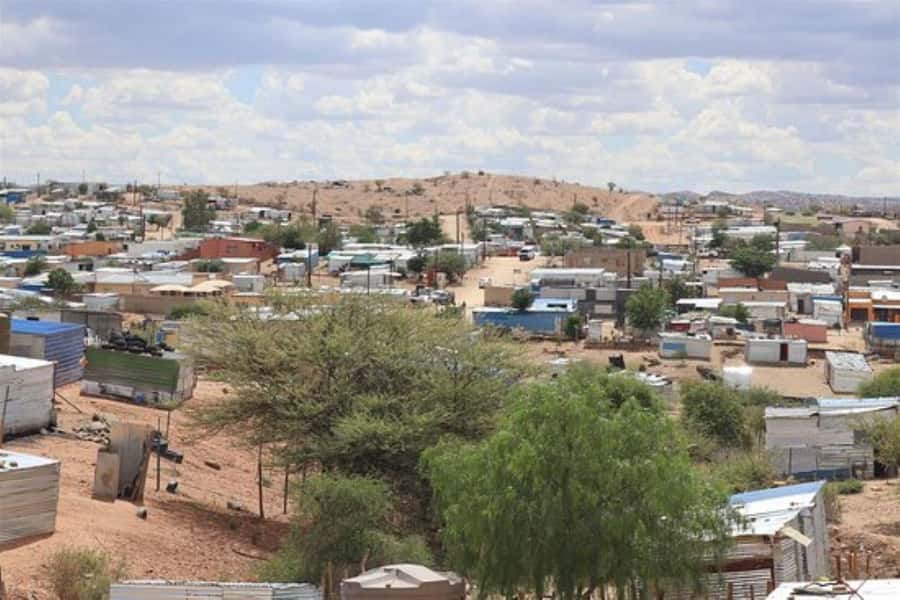
Windhoek can be easy to see from the outside. You visit a few central sights, take photographs, and move on. Katutura asks you to slow down and listen to the story of how people were pushed away from the city center, then made a home and community under difficult conditions.
The name Katutura is commonly translated as a place where people do not want to live. That meaning gives the tour’s history some weight. Here, forced removals were not an abstract government policy. They affected families, work, housing, and the basic shape of daily life.
I value this kind of visit because it connects history to real streets and real people. Your guide is not simply repeating dates. A guide raised in the community can explain what the neighborhood means to residents today, how it changed, and why its spirit matters.
The tour also avoids presenting Katutura as a museum piece. You see a functioning neighborhood with food sellers, artisans, families, and community projects. That requires courtesy from you. Ask before taking photographs, listen carefully, and remember that people live here after your four-hour visit ends.
More Township Tours in Windhoek
- Windhoek: City and Township Tour
★ 4.8 · 430 reviews - Half-Day Windhoek City and Township Cultural Tour
★ 4.5 · 187 reviews - Katutura – Classic Township Experience
★ 5.0 · 22 reviews
Starting at Soweto Market with kapana
The tour begins at Soweto Market, where you meet vendors selling fresh produce, handmade items, and street food. This is the most sensory part of the morning or afternoon. You hear the market activity, see the goods arranged for sale, and smell meat cooking over the grill.
The food focus is kapana, Namibia’s famous street-style grilled meat. It is served fresh with local spices, and the tasting gives you a direct connection to the market economy. You are not just looking at food through a glass case. You are buying into a local food tradition and helping vendors earn from their work.
You may also sample other township delicacies. The exact selection can vary, so I would treat the tasting as an introduction rather than a full meal. Additional food and drinks are not included, and personal expenses are your responsibility. Bring cash if you want to buy more from vendors or artisans after the included tasting.
Soweto Market is also a useful place to understand the tour’s social purpose. Small sellers, food cooks, and craft makers rely on daily trade. Spending directly with them can make your visit more useful than simply taking pictures and leaving.
If you have food allergies, dietary restrictions, or strong preferences, ask the operator before booking. The tour information confirms local food tastings, but it does not provide a full ingredient list or promise substitutions.
Walking through a neighborhood shaped by removal

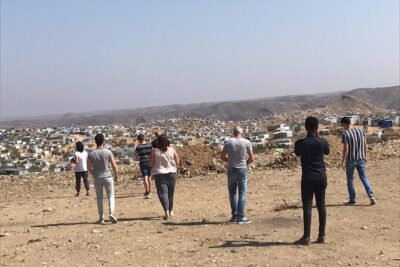
After the market, your guide leads you through Katutura on foot. The walking portion is central to the experience, so you should not think of this as a drive-by township tour. Comfortable shoes are essential, and clothing should suit the day’s weather.
As you walk, the guide explains the history of forced removals and the area’s later development. This context matters because Katutura’s character cannot be understood through food alone. The market shows enterprise and energy, while the walking tour explains the political and social forces that shaped the neighborhood.
I like the balance here. You get difficult history, but the story does not stop with hardship. The focus also turns to resilience, local pride, and the way residents have built institutions and businesses of their own.
The private group format should help. You can ask the guide to explain a term, pause over a subject, or spend a little more time on a point that interests you. The experience is offered in English, so you will need enough English to follow spoken history and conversation.
The tour lasts about four hours, though the schedule describes the Katutura portion as four and a half hours in one place. I would allow at least four hours and avoid booking another fixed activity immediately afterward. The extra time gives you room for walking, food, conversations, and any minor delay.
Meeting artisans and visiting a community center
The community center adds a useful layer to the tour. Instead of hearing only about problems, you see an example of local organization and community development. The center also connects with the tour’s support for youth programs and local entrepreneurs.
You then have a chance to meet local artisans. This is a good moment to ask about the work itself, the materials used, and how the maker sells it. If you want to purchase something, carry cash, since cash is specifically recommended for the experience.
These encounters can be more meaningful than shopping in a standard souvenir store. Your money goes directly toward a person’s work, and you get a clearer sense of who made the item. Still, buy only what you genuinely want. Community tourism works best when it treats local people as hosts and business owners, not as a display.
The tour information does not name particular artisans or guarantee a specific craft demonstration. Think of this as a chance for conversation and contact, with the exact people and goods depending on the day.
Off the sand entirely, for a change:
- Windhoek: Bushman Walk with the San
★ 4.9 · 145 reviews - 6-Day Dunes and Wildlife Accommodated Safari from Windhoek
★ 5.0 · 123 reviews - Windhoek City Tour
★ 5.0 · 113 reviews - 10-Day Namibia Highlights Guided Tour from Windhoek
★ 5.0 · 78 reviews
Stepping inside a family home
A visit to a family home gives you a closer look at daily life in Katutura. This is one of the most personal parts of the experience, and it should be approached with care. You are entering someone’s private space, not checking off a sightseeing stop.
Your guide helps provide the context. You might learn how ordinary routines fit into the wider story of the township, and how a home functions within the community. The value comes from respectful conversation, not from looking around as if the house were an exhibit.
Because this is a private home visit, ask permission before taking photographs and follow the family’s lead. The information does not promise a meal or a particular household activity, so do not expect a staged performance. The point is a local perspective on everyday life.
For me, this is the kind of stop that can change how you see the rest of the walk. After meeting a family, the neighborhood feels less like a sightseeing subject and more like a place where people work, raise children, welcome visitors, and make plans.
What $68 buys you
The $68 price is reasonable if you want a private, food-focused experience with a local guide and several community contacts. You receive a four-hour guided walk, the Soweto Market visit, local tastings, a community center visit, artisan interaction, and a family-home visit.
The price also has a wider value. A portion goes toward community development work, including support for local entrepreneurs and youth programs. That does not make every tour automatically worthwhile, but it gives your spending a clear social purpose.
You should compare the price with what you want from a Windhoek tour. If you only want a quick look at Katutura from a vehicle, this is more time and money than necessary. If you want food, history, and direct contact with residents, the private format makes the cost easier to justify.
Keep in mind what is not included. Transportation to and from the starting point, personal purchases, and extra food and drinks are separate. The stated meeting and drop-off choices are the Avani Windhoek Hotel and Casino and Hilton Windhoek, but the transportation notes say transfers are not included. Confirm exactly where and how you meet before paying, especially because one booking in December 2025 reported waiting for 90 minutes without a pickup.
Pickup details deserve extra care
The listed pickup options are Avani Windhoek Hotel and Casino and Hilton Windhoek. The same two hotels are given as drop-off points. Since transportation is not included, do not assume that a hotel pickup is automatic.
I would contact Ronpan Tours and Safari shortly before the tour and ask for four details:
- The exact meeting point inside or outside the hotel
- The confirmed pickup time
- Whether you walk to the starting point or receive a transfer
- The best phone number to call if the guide is delayed
This is not a small matter. A missed pickup can ruin a half-day activity, and one poor booking experience specifically involved no arrival after a long wait. The issue appears alongside strong praise for the guide and the content, so I would treat it as a logistics warning rather than a reason to dismiss the cultural experience entirely.
The activity allows free cancellation up to 24 hours before the start, and you can reserve now and pay later. Those terms give you some flexibility, but they do not replace a clear meeting plan.
Who will enjoy this tour most
I would recommend this experience to you if you want to understand Windhoek through its communities rather than only its formal attractions. It suits people who enjoy conversation, local food, history, and walking.
It is especially useful for:
- First-time visitors who want context for Windhoek
- Food-minded people curious about kapana
- Anyone interested in Namibia’s social and political past
- Visitors who prefer a private group
- Shoppers who want to support local makers directly
- People who value community-based tourism
It may not suit you if you dislike street food, prefer a tightly scripted sightseeing program, or want a short activity with no walking. You also need to be comfortable entering a working neighborhood and possibly a private home with respect and patience.
The tour is marked wheelchair accessible, but the experience involves walking through the township. If you use a wheelchair or have mobility concerns, ask the operator about the walking surfaces, distances, and access to each stop before booking. The published details do not explain those conditions.
The guide makes or breaks the experience
The strongest part of this tour is the local guide. The guide is described as someone born and raised in Katutura, and the available feedback gives special praise to friendly explanations of Namibian history and culture. Another person described the visit as very authentic, with guides who knew the neighborhood well and enjoyed showing and explaining it.
That matters because the tour covers sensitive subjects. Forced removals, poverty, community resilience, and daily life need more than a memorized speech. A guide with personal ties can add details and feeling, while still helping you see the wider story.
You should come ready to ask questions, but avoid turning the guide into a source of every personal answer about the neighborhood. Let the conversation develop naturally. The best moments are likely to come from small explanations at the market, community center, or family home.
Since the experience is private, your attitude has an unusually large effect on the day. Show curiosity without treating the township as an adventure set. Listen more than you photograph.
Practical advice for a smoother visit
Wear comfortable shoes. Four hours of walking, market time, and neighborhood stops can feel long in poor footwear.
Dress comfortably and appropriately for the weather. The tour takes place outdoors for much of its duration, and the supplied information does not give a detailed weather plan.
Carry cash for extra food, drinks, or crafts. Only the included tasting is covered, and the tour encourages contact with small vendors and artisans.
Bring a camera, but use it carefully. Always ask before photographing people, homes, food sellers, or children. A respectful question is more valuable than a quick picture.
Leave room in your schedule. The stated duration is four hours, while one section gives four and a half hours for the guided portion. You do not want to hurry away from a useful conversation because of a later reservation.
Should you book the Katutura Township Tour?
I would book this tour if you want an honest, people-focused look at Windhoek, especially if kapana and local history appeal to you. The guide’s local connection, the family-home visit, and the support for community projects give the experience more substance than a simple market stop.
I would book with one condition: confirm the pickup arrangement in writing and keep the operator’s phone number handy. If the logistics are clear, $68 is a fair price for a private four-hour experience with food, guiding, and several community-based visits.
Choose it for human contact and context, not polished sightseeing. If that sounds like your kind of day, Katutura can give you a much fuller understanding of Windhoek.
FAQ
How long does the Katutura Township Tour last?
The activity is listed as lasting four hours. One schedule description gives four and a half hours for the guided Katutura portion, so allow at least four hours and avoid a tight appointment afterward.
What food is included?
You receive a tasting of local delicacies at Soweto Market, including kapana, freshly grilled meat served with local spices. Additional food and drinks are not included.
Where does the tour start and finish?
The two listed pickup locations are Avani Windhoek Hotel and Casino and Hilton Windhoek. The same hotels are listed for drop-off. Since transportation is not included, confirm the exact meeting and transfer arrangements with the provider.
Is the tour private?
Yes. It is offered as a private group experience.
Is the tour offered in English?
Yes. The live guide speaks English.
What should I bring?
Bring comfortable shoes, a camera, and cash. Dress comfortably and appropriately for the weather, and carry cash for personal purchases or extra food and drinks.
Written up most recently in Windhoek
- Windhoek: Okapuka Game Ranch Guided Tour★ 5.0 · 2 reviews
- Windhoek : Cheetah walk Experience★ 4.6 · 8 reviews
- Windhoek: City & Township tour. Vehicle, guide, kapana★ 4.2 · 4 reviews
- Windhoek City Tour★ 3.5 · 7 reviews
- Knight Vibes: Bars, Shebeen, Clubs Crawl Windhoek★ 5.0 · 3 reviews
- Predator Encounter: Half-Day Carnivore Feeding Windhoek★ 4.0 · 5 reviews
- Discover the Routes of N/a’an ku sê.★ 4.0 · 6 reviews
- Private Shuttle Transfers in Windhoek★ 5.0 · 2 reviews
Township Tours, compared.

Half-Day Windhoek City and Township Cultural Tour
Read our review →
Katutura Tour – Experience Genuine Namibian Life
Read our review →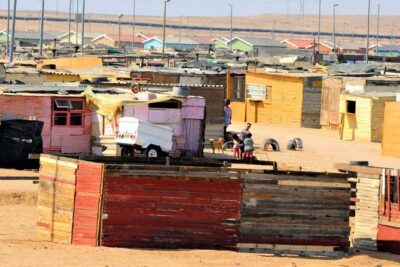
Swakopmund Best Cultural Historical Township Tours Namibia
Read our review →Browse the lists this tour appears in