
Reviewed · WINDHOEK TOURS
Windhoek : Cheetah walk Experience
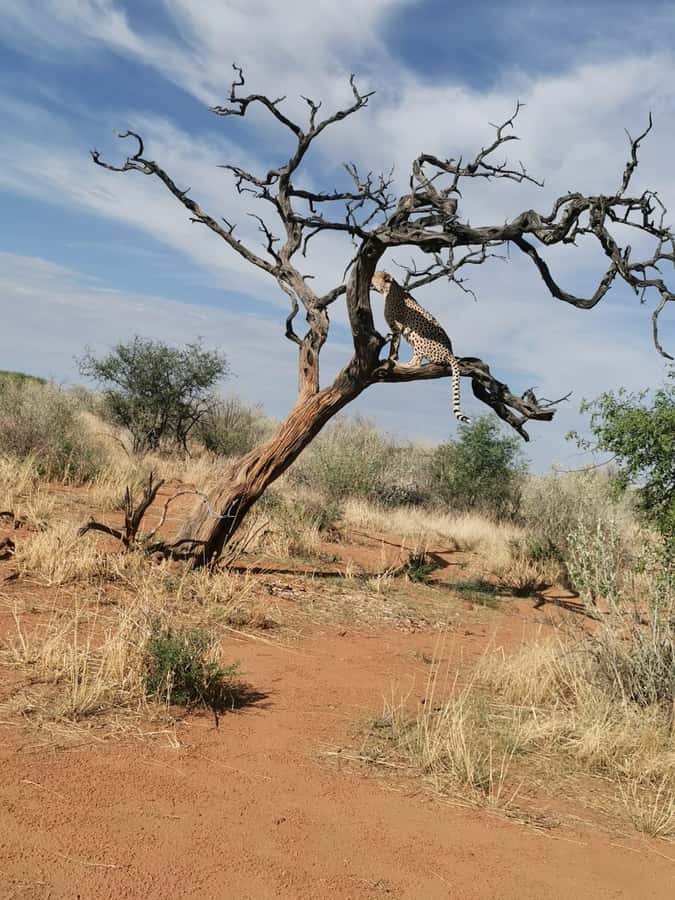
Cheetahs set the pace here. This 90-minute visit near Windhoek gives you a rare chance to walk close to habituated cheetahs while a trained guide explains their behavior and the N/a’an ku sê Foundation’s conservation work. I like the small group limit of eight, and I like that the encounter lets the cats choose what happens next. The main drawback is the price: at $280 per person, you should compare booking options carefully.
The experience is not a petting session, and it is not a staged photo opportunity. The cheetahs may walk, rest, run off, or simply ignore the group. That uncertainty is part of its value, but it also means you need to arrive expecting an animal encounter, not a guaranteed performance.
In This Review
- Key points to know before you go
- From Windhoek to the N/a’an ku sê sanctuary
- Walking beside the fastest land animal
- What the guide adds to the 90-minute visit
- Why the conservation message matters
- The real cost of the $280 price
- What to wear and what to leave behind
- Who will appreciate this experience most
- A closer look at the animal encounter
- Should you book the Windhoek cheetah walk?
- FAQ
- How long does the cheetah walk experience last?
- Where does the experience take place?
- Is transportation from Windhoek included?
- What time does pickup take place?
- Can I touch the cheetahs?
- Can I take a photograph of myself with a cheetah?
- Are children allowed to participate?
- What should I bring?
Key points to know before you go
- The cheetahs are habituated, not tame pets: You can walk near them under supervision, but touching is not part of the activity.
- The group stays small: A maximum of eight participants helps reduce crowding and pressure around the animals.
- The day starts early: Pickup from Windhoek is around 6:00 a.m. for the 8:00 a.m. activity.
- Your guide shapes the visit: The English-speaking guide explains cheetah habits, behavior, and conservation work at N/a’an ku sê.
- The experience lasts 90 minutes: Transport from central Windhoek and back is included, along with a refreshment.
- The price deserves a check: The listed cost is $280, while a direct booking price of about €90 has been reported, so compare before paying.
From Windhoek to the N/a’an ku sê sanctuary
Your morning begins with pickup in central Windhoek. Collection is offered from several popular hotels, including Hilton Windhoek, Avani Windhoek Hotel & Casino, Safari Hotel, Windhoek Luxury Suites, Am Weinberg Boutique Hotel, and Hotel Heinitzburg.
The early start matters. The activity is scheduled for 8:00 a.m., with departure from Windhoek at about 6:00 a.m. That gives you time to reach the sanctuary in Khomas and begin the visit without rushing. It also means this is not a relaxed late-morning outing. Set an alarm, prepare your clothes the night before, and wait at the correct hotel entrance.
Pickup points are practical but slightly different from one hotel to the next:
- At Hilton Windhoek, wait near the main lobby entrance on Independence Avenue.
- At Avani Windhoek Hotel & Casino, use the front entrance at Gustav Voigts Centre.
- At Safari Hotel, wait by the circular driveway in front of reception.
- At Windhoek Luxury Suites, wait outside the gated entrance or near reception.
- At Am Weinberg Boutique Hotel, use the main reception entrance.
- At Hotel Heinitzburg, wait near the main reception or front garden area because the driveway is compact.
The transport is included, which makes this easier than arranging your own way to Khomas. You will also be returned to central Windhoek after the activity. Confirm your pickup details in advance, especially if you are staying somewhere other than the listed hotels.
The operator is People Tours and Safari Namibia cc. The guide wears a uniform, which makes identification easier at the pickup point. Since the group can be as small as two and no larger than eight, the transport may feel more personal than a large sightseeing bus.
More out of Windhoek:
- Windhoek: City and Township Tour
★ 4.8 · 430 reviews - Half-Day Windhoek City and Township Cultural Tour
★ 4.5 · 187 reviews - Windhoek: Bushman Walk with the San
★ 4.9 · 145 reviews
Walking beside the fastest land animal
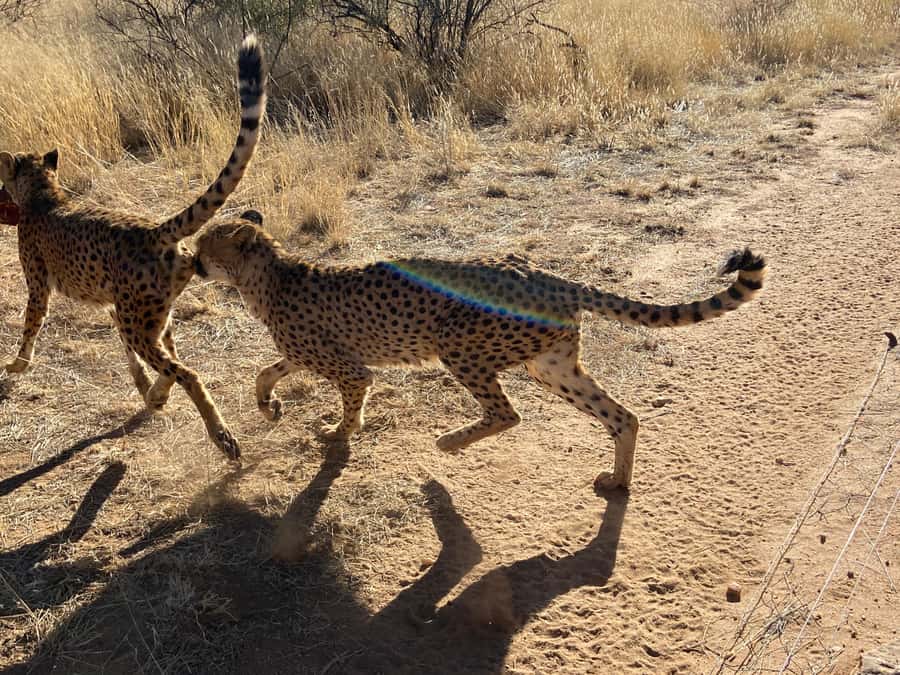
The central moment is the guided walk with habituated cheetahs. You will see these animals close enough to appreciate details that are easy to miss from a vehicle: their long, light bodies, amber eyes, spotted coats, and the dark tear marks running from the eyes toward the mouth.
Those black lines are more than a striking feature. They help reduce glare from the sun while the cheetah hunts. A guide can use details like this to turn a quick animal sighting into a better understanding of how the species lives and moves.
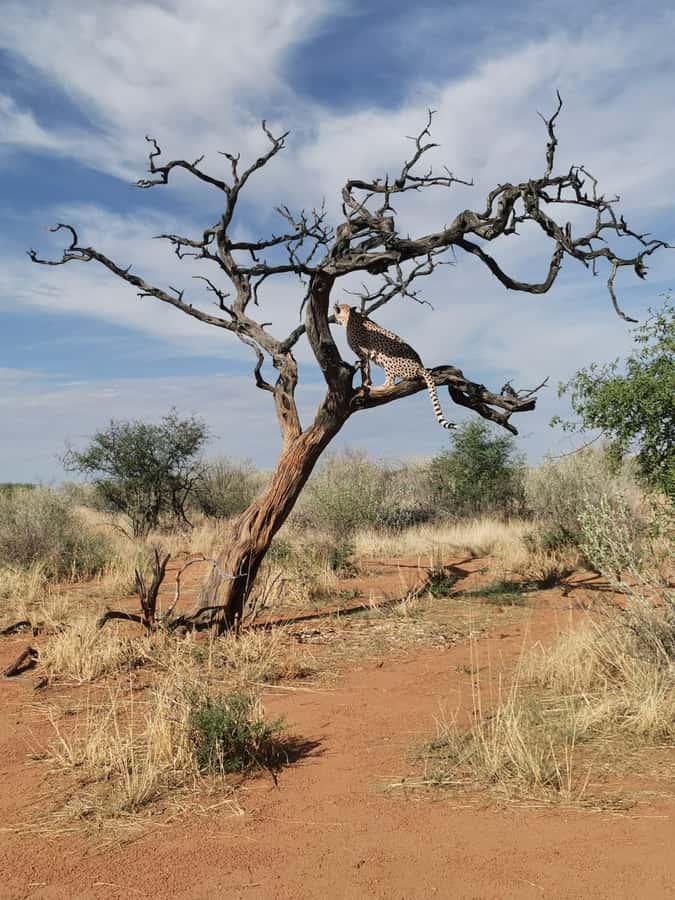
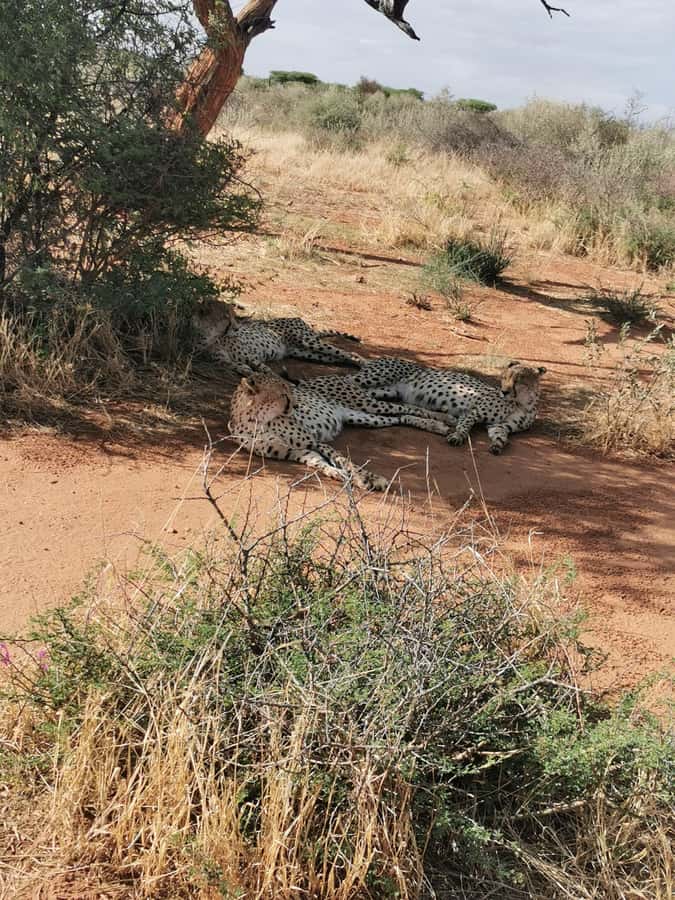
You will also notice how different this is from a zoo visit or a standard game drive. The cheetahs are habituated to people, but they are still free to behave according to their own mood. One may walk alongside the group for a time. Another may lie down. A third may run off or lose interest altogether.
That is the right expectation to bring. You are not promised a fixed route, a close-up photograph, or physical contact. One clear rule is that there is no petting. Humans are also not allowed in pictures with the cheetahs, so this is not the place for the familiar social-media image of a person posing beside a big cat.
At first, that may sound restrictive. I see it differently. Keeping the encounter free from touching and staged human-animal photographs puts more attention on the cheetahs themselves. You watch what they choose to do instead of waiting for a handler to arrange a picture.
Still, the lack of control can disappoint someone who wants a guaranteed close encounter. If a cheetah decides to rest or move away, you need to accept that. The experience is best for you if the animal’s freedom matters more than getting a perfect photograph.
What the guide adds to the 90-minute visit
A good guide is essential here. The guide handles the safety side, keeps the group together, and explains what you are seeing. The tour operates in English, and the guide is expected to explain cheetah habits, behavior, and the conservation work connected with N/a’an ku sê.
Matheus received special praise for being friendly and well informed. If he leads your visit, you can expect a guide who brings useful context to the encounter rather than simply pointing out the animals.
The guide’s role also helps you read the cheetahs correctly. A relaxed animal lying down is not necessarily putting on a show. A cheetah walking away is not a failed encounter. The guide can help you understand that the animals set the terms.
The 90-minute length is a sensible middle ground. It is long enough for the walk and explanations without turning the visit into an all-day commitment. You will have time to observe the cats and learn about their work at the sanctuary, but you should not expect a full safari program or a long series of separate activities.
A small group makes a real difference. With no more than eight people, you are less likely to feel packed around the animals. You also have a better chance of hearing the guide and seeing what is happening. The minimum is two participants, so the experience may not operate as a solo departure.
Why the conservation message matters
The visit is not only about getting close to an impressive predator. It also introduces you to the conservation efforts of the N/a’an ku sê Foundation.
That context gives the encounter more weight. Cheetahs are often reduced to one simple fact: they are the fastest land animals in the world. Here, the guide helps you look beyond speed and notice their body shape, hunting adaptations, social habits, and response to people.
The sanctuary setting also makes the difference between habituation and domestication important. These cheetahs are accustomed to human presence, but they are not presented as household animals. The no-petting rule reinforces that distinction.
I like this balance. You receive a close view without being encouraged to treat a wild species as entertainment on demand. The visit asks you to watch carefully, listen, and respect the animal’s space.
The conservation element may be especially worthwhile for you if animal welfare affects your tour choices. You can ask questions through the guide and learn how the sanctuary presents its work. The activity does not promise a complete course in conservation, but it gives you a direct introduction during a memorable encounter.
A handful of other Windhoek outings to read first
- Private Guided Walking Tour with the San in Windhoek
★ 5.0 · 20 reviews - Windhoek: Katutura Township and City Walking Tour
★ 4.7 · 15 reviews
The real cost of the $280 price
At $280 per person, this is an expensive 90-minute activity. Transport from Windhoek, a professional English-speaking guide, a refreshment, a small group, and access to the cheetah experience are included. Those inclusions add convenience and personal attention, but the price remains high for the time involved.
The value depends on what you want from the morning. If your priority is a rare, carefully managed cheetah encounter near Windhoek, the cost may fit your budget. If you are comparing this with longer wildlife outings, the short duration makes the price harder to justify.
There is also an important price discrepancy to check. A direct booking through N/a’an ku sê has been reported at about €90, far below the $280 price shown here. I cannot tell you that every date, booking channel, or inclusion will match, so check the sanctuary’s direct price before committing. Ask whether transport from Windhoek is included and confirm the same 90-minute program.
That comparison could change the value calculation completely. Paying more may be worthwhile if the arrangement gives you reliable hotel transport and a convenient booking process. But a difference of this size deserves attention.
The reserve-now-and-pay-later option offers useful flexibility, and cancellation is free up to 24 hours before the activity for a full refund. Those terms reduce the risk if your Namibia schedule changes. They do not, however, solve the basic question of whether this booking channel offers enough extra value for the higher price.
What to wear and what to leave behind
Closed-toe shoes are required. Choose practical footwear that lets you walk comfortably around the sanctuary and keeps your feet protected.
You should also avoid bringing anything prohibited. Drones, alcohol, and drugs are not allowed. The restrictions are simple, but they are worth checking before pickup so you do not arrive with equipment or items you cannot use.
Bring a camera only if you are happy to photograph the cheetahs without placing yourself in the frame beside them. Human-and-cheetah pictures are not allowed, and no petting is offered. The strongest photographs may come from watching the cats as they move, rest, or turn their attention elsewhere.
Breakfast and lunch are not included. A refreshment is provided, but you should plan around the early departure and the lack of a full meal. Since pickup is around 6:00 a.m., having breakfast before leaving or carrying something permitted for the morning may be sensible, though the supplied details do not specify food arrangements.
Who will appreciate this experience most
This is a good match for you if you care about animal behavior, conservation, and controlled encounters. It suits adults and older teenagers who can follow instructions and accept that the animals are not performers.
The minimum age is 15, and children under 15 cannot participate. Families with younger children will need a different activity.
You should also choose this if you prefer a small group. A maximum of eight people keeps the visit more personal and reduces the chance of a crowded animal encounter. Solo visitors should note the minimum of two participants.
This may not suit you if you want to touch a cheetah, pose beside one, or guarantee a dramatic action shot. It may also disappoint you if you expect a full safari with several species, a long drive, or a full day of wildlife viewing. This is a focused cheetah visit, not a broad Namibia game tour.
The experience is also a strong fit for a short Windhoek stay. Because transport is included and the visit lasts only 90 minutes on site, you can fit it into a larger itinerary. The early start takes up much of the morning, but you return to central Windhoek rather than spending the entire day away.
A closer look at the animal encounter
The best part of this activity is its uncertainty. You may be walking near a cheetah when it changes direction, settles down, or speeds away. Instead of treating those moments as interruptions, see them as the substance of the visit.
Cheetahs are built for speed, with slim frames and long limbs. Up close, you can notice their athletic shape and the facial markings that help with bright sunlight. The guide’s explanation gives meaning to what you see, so listen even when the animals are simply resting.
The encounter is described as calm and walk-based, but you should follow the guide’s instructions at every moment. Do not assume that habituated means predictable. The group’s limited size and the absence of touching help keep the meeting controlled.
The setting is also described as beautiful, which adds to the pleasure of the morning. You are not just looking through a barrier at an animal. You are moving through the sanctuary with the guide and observing the cheetahs in a more open, natural-feeling way.
That atmosphere is likely to be the strongest memory for many people. It is quieter and more attentive than a quick stop at an enclosure. You have room to watch the cats’ choices, not just their appearance.
Should you book the Windhoek cheetah walk?
Book it if you want a close, educational encounter with habituated cheetahs and you are comfortable letting the animals control the pace. The small group, return transport, conservation focus, and excellent guide feedback make the experience appealing.
Before paying $280, compare the direct N/a’an ku sê price. That is the most important practical step. If the lower direct rate is available with the same transport and activity, it may offer much better value.
I would also book only if you accept the rules: no touching, no human-and-cheetah photos, no children under 15, and no guarantee that the cats will walk beside you. For the right person, those limits protect the animals and make the encounter feel more genuine. For someone seeking a staged photo or hands-on contact, choose another activity.
FAQ
How long does the cheetah walk experience last?
The guided activity lasts 90 minutes.
Where does the experience take place?
It takes place in Khomas, Namibia, at the N/a’an ku sê sanctuary.
Is transportation from Windhoek included?
Yes. Pickup from specified popular hotels in central Windhoek and return transportation are included.
What time does pickup take place?
The activity is conducted daily at 8:00 a.m., with departure from Windhoek at about 6:00 a.m.
Can I touch the cheetahs?
No. Petting is not part of the experience.
Can I take a photograph of myself with a cheetah?
No. Humans are not allowed in pictures with the cheetahs.
Are children allowed to participate?
No. The activity is not suitable for children under 15, and children are not allowed to participate.
What should I bring?
You should bring closed-toe shoes. Drones, alcohol, and drugs are not allowed.
Written up most recently in Windhoek
- Windhoek: Okapuka Game Ranch Guided Tour★ 5.0 · 2 reviews
- Windhoek: City & Township tour. Vehicle, guide, kapana★ 4.2 · 4 reviews
- Windhoek: Katutura Township Tour with Local Guide★ 3.5 · 3 reviews
- Windhoek City Tour★ 3.5 · 7 reviews
- Knight Vibes: Bars, Shebeen, Clubs Crawl Windhoek★ 5.0 · 3 reviews
- Predator Encounter: Half-Day Carnivore Feeding Windhoek★ 4.0 · 5 reviews
- Discover the Routes of N/a’an ku sê.★ 4.0 · 6 reviews
- Private Shuttle Transfers in Windhoek★ 5.0 · 2 reviews
Windhoek Tours, compared.
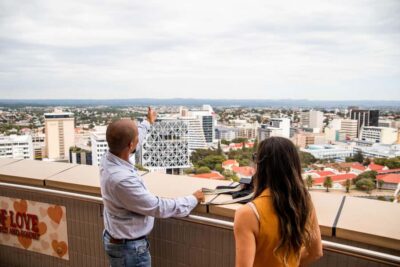

Half-Day Windhoek City and Township Cultural Tour
Read our review →
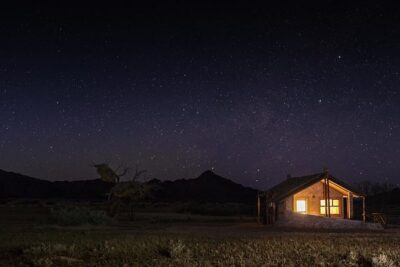
6-Day Dunes and Wildlife Accommodated Safari from Windhoek
Read our review →
10-Day Namibia Highlights Guided Tour from Windhoek
Read our review →
Browse the lists this tour appears in