
Reviewed · WINDHOEK TOURS
Discover the Routes of N/a’an ku sê.
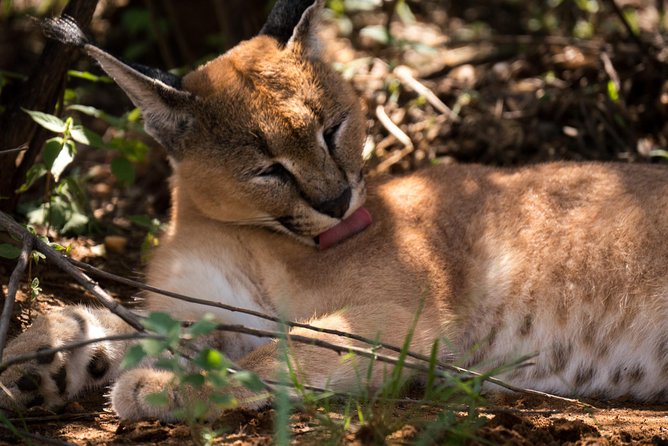
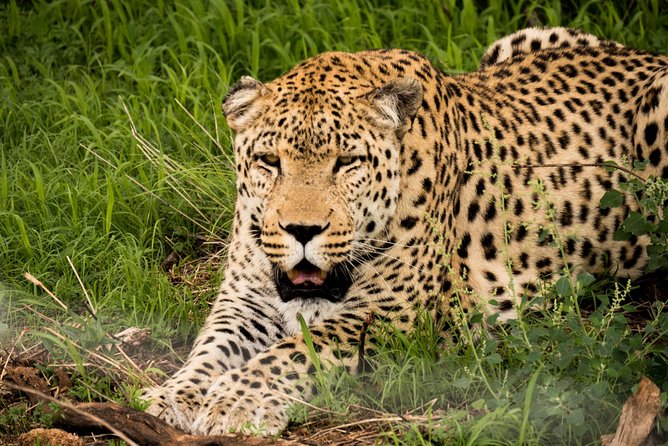
Predators make poor house pets. That is part of what makes this half-day visit to N/a’an ku sê Wildlife Sanctuary near Windhoek so interesting. You ride through the reserve with a guide, see rescued lions, cheetahs, wild dogs, leopards, caracals, baboons, and hyenas, and watch feeding sessions that explain how these animals came to live under human care.
I like the small-group format, which is advertised for as few as three people, and I like the chance to learn about ambassador animals that cannot safely return to the wild. The main drawback is clear: this is a sanctuary with protected enclosures, not a free-ranging safari. You may get excellent photos, but you should not expect to stand beside a lion or photograph every animal at close range.
In This Review
- Key points to know before you book
- Why N/a’an ku sê is more than a predator photo stop
- The 1:30 pm start and the ride from Windhoek
- Three hours among lions, cheetahs, and wild dogs
- Feeding sessions bring the animals into focus
- Photography without the zoo-style promise
- What the small group can change
- Is $136.71 a fair price?
- Who will enjoy this experience most?
- Booking details that matter
- Should you book the Routes of N/a’an ku sê?
- FAQ
- Where does the experience take place?
- What time does the tour start?
- How long does the experience last?
- Is pickup available?
- What animals might I see?
- Does the tour include feeding sessions?
- Can I take photographs?
- Are the animals free to roam?
- How many people can join the tour?
- What is the cancellation policy?
Key points to know before you book
- Rescued predators are the focus: The sanctuary cares for animals that may have been kept as dangerous pets or cannot be released safely.
- Feeding time adds purpose: The animals are not simply displayed. Feeding sessions help explain their behavior, needs, and individual stories.
- The drive lasts about three hours: The wider experience is listed at roughly five hours, including transport and time around the reserve.
- Photography is a major draw: You will have repeated chances to photograph animals, but bars and safety distances can affect close-up shots.
- The group size needs clarification: The highlights describe a maximum of three people, while the additional information allows up to 13. Confirm this before paying if privacy matters.
- The afternoon start is fixed: The stated start time is 1:30 pm, making this easy to fit into a Windhoek morning.
Why N/a’an ku sê is more than a predator photo stop
The strongest reason to choose this experience is the conservation angle. N/a’an ku sê is not presented as a simple animal display. Its rescued animals include species that may have been kept as pets, moved from unsafe conditions, or judged unable to survive if released.
That distinction matters. You are seeing animals under human care, but the visit also explains why they are there and what responsible care involves. The term ambassador animal refers to a creature that helps people understand its species because it cannot return to the wild. That can be due to injury, human habituation, or other safety concerns, although the supplied information does not give the reason for each individual animal.
I appreciate this honest middle ground. The sanctuary allows you to see powerful predators at close enough range to study their behavior, while still keeping a firm line between you and the animals. The setting is controlled because these are lions, leopards, hyenas, and wild dogs, not trained performers.
You should arrive with the right expectation. This is not a classic game drive where every animal moves freely across open country. Some animals roam in the reserve, while others are viewed within secure areas. That can feel less wild than a national park sighting, but it lets you see species that would otherwise be difficult or impossible to observe safely.
More out of Windhoek:
- Windhoek: City and Township Tour
★ 4.8 · 430 reviews - Half-Day Windhoek City and Township Cultural Tour
★ 4.5 · 187 reviews - Windhoek: Bushman Walk with the San
★ 4.9 · 145 reviews
The 1:30 pm start and the ride from Windhoek
The experience begins at 1:30 pm, with pickup offered. The total duration is approximately five hours, although the sanctuary portion is listed at about three hours. That timing suggests a useful afternoon and evening outing from Windhoek, rather than a full-day commitment.
Pickup is valuable if you do not have a rental car or do not want to manage the drive yourself. It also gives you a guide from the start of the outing. The provider is Chameleon Safaris, and the driver can make a real difference to the day. A personal account specifically praised the driver as friendly, helpful, and obliging, which is the sort of practical service that makes a transfer feel less like a shuttle and more like part of the experience.
Still, do not assume every detail of the pickup arrangement. The supplied information confirms that pickup is offered, but it does not specify every hotel, pickup zone, or transfer time. Confirm your meeting point when booking, especially if you are staying outside central Windhoek.
The experience is listed near public transportation, and most people can participate. No special fitness requirement is given. As with any animal outing, you should be ready to spend several hours seated or standing during stops, but the available information does not describe difficult walking.
Three hours among lions, cheetahs, and wild dogs
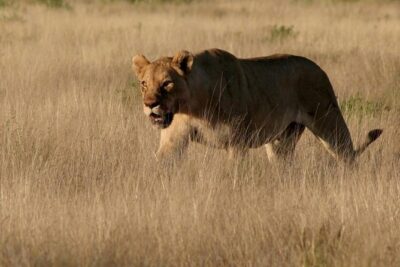
The main portion takes place at N/a’an ku sê Wildlife Sanctuary. You travel through the reserve with a guide, looking for baboons, caracals, lions, cheetahs, African wild dogs, leopards, and other animals that may be roaming nearby.
This list gives the outing a strong range. Lions offer the classic big-cat encounter, while cheetahs bring a different lesson in speed, body shape, and behavior. African wild dogs are especially interesting because they are social predators with a very different appearance and way of life from lions or leopards. Caracals, hyenas, and baboons add variety to the drive.
The wording matters here: you may encounter these animals. Sightings are not guaranteed, and the animals are not scheduled like actors on a stage. A sanctuary visit improves your odds of seeing particular species, but it does not remove the basic uncertainty of wildlife.
The drive also gives you a chance to look beyond the featured predators. Other animals may move freely around the reserve, and the route itself is part of the experience. Your guide helps connect what you see to habitat and behavior rather than leaving you with a string of disconnected photographs.
For a first introduction to Namibia’s wildlife, that structure works well. You get several species in one outing, plus an explanation of how the sanctuary protects them. If your main goal is to watch animals behaving entirely on their own in a large national park, you may prefer a conventional safari instead.
Feeding sessions bring the animals into focus
Feeding time is one of the clearest strengths of this tour. It gives the guide a natural reason to talk about the animals, their diets, and their behavior. You are not only looking through a vehicle window and waiting for something to move.
The sessions also help you understand the practical side of sanctuary care. Predators need safe housing, controlled feeding, and careful handling. The animals may look calm, but they remain dangerous. That is why the sanctuary keeps visitors away from the enclosures and does not allow people to get too close to the bars.
This rule is important for both safety and animal welfare. One unhappy account centered on the inability to take very close photographs through the bars. The response from the operator made the reason plain: the animals are wild and dangerous, so visitors cannot approach too closely or enter the enclosures.
If you want a close portrait filling your camera frame, you may find the restrictions frustrating. Bring patience instead. A longer lens, if you have one, can be useful, but the tour information does not promise a particular photography setup or access point. Your best photograph may be a wider image showing the animal in its enclosure, rather than a face pressed against the bars.
Off the sand entirely, for a change:
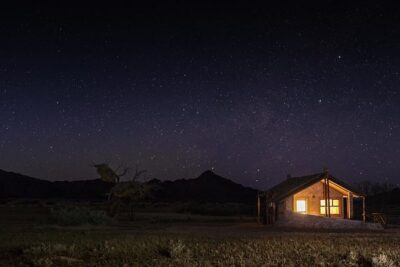
- 6-Day Dunes and Wildlife Accommodated Safari from Windhoek
★ 5.0 · 123 reviews - Windhoek City Tour
★ 5.0 · 113 reviews - 10-Day Namibia Highlights Guided Tour from Windhoek
★ 5.0 · 78 reviews - 12 Day Classic Namibia Camping Safari
★ 5.0 · 77 reviews
Photography without the zoo-style promise
The experience is promoted as offering strong photography opportunities throughout the visit. That is fair, provided you understand the limits.
You will have repeated chances to photograph large, distinctive animals, and feeding sessions may bring them into visible positions. A guide can also help you anticipate movement or identify what you are seeing. Those are real advantages over hoping to spot a distant predator from a public road.
At the same time, the sanctuary is not designed for unrestricted close-up photography. Secure enclosures, safety distances, and the animals’ welfare come first. The result can sometimes look more like a zoo encounter than a wild sighting, especially if an animal is behind bars or remains far from the vehicle.
I would judge the photography value by the variety of subjects and the chance to learn, not by the promise of perfect portraits. If you use a phone, expect some shots to be limited by distance or fencing. If you are a serious wildlife photographer, ask about the exact viewing conditions before booking.
The safest approach is simple: do not lean through barriers, do not call to the animals, and do not expect the guide to compromise safety for a picture. A responsible sanctuary should say no when a photograph would put a person or animal at risk.
What the small group can change
The highlights describe a maximum of three people for a more personal experience. That would be a significant advantage. With only a few people, you can ask more questions, position yourself more easily during a sighting, and hear the guide without competing with a busload of visitors.
A small group also suits anyone who wants a quieter, more focused outing. Families, couples, and keen photographers may value that private-feeling atmosphere.
There is one important wrinkle. The additional information says the activity can have a maximum of 13 participants. That conflicts with the three-person description. I would not pay a premium assuming a private or near-private trip without confirming the actual group size with Chameleon Safaris.
The difference is practical, not minor. Three people can share a question-and-answer conversation with the guide. Thirteen people may mean more waiting, less control over viewing positions, and a livelier vehicle. Either size can work, but you should know which experience you are buying.
Is $136.71 a fair price?
At $136.71 per person, this is not the cheapest way to spend an afternoon near Windhoek. The value depends on what you want included in that price.
You are paying for a guided wildlife outing, transport pickup, access to the sanctuary, feeding sessions, and an introduction to its conservation work. You also gain a chance to see several predator species in one place, including animals that are unlikely to appear during a short self-drive outing.
That makes the price easier to justify for a first-time visitor without a car. It may also suit you if your Namibia plans do not include a longer safari in Etosha or another major wildlife area. In one afternoon, you can see a wide range of species and learn why some live under human care.
The value is weaker if you are expecting a completely wild safari or a private photography session. You may feel you paid a safari price for a sanctuary experience, especially if the animals remain behind barriers and the group is closer to 13 than three.
I would think of this as a conservation visit with wildlife viewing, not as a replacement for a multi-day safari. That framing makes the cost more reasonable and the experience more honest.
Who will enjoy this experience most?
I would recommend it to you if you want a manageable wildlife outing from Windhoek, especially when time is limited. The five-hour duration leaves room for other plans, and the 1:30 pm start is convenient for a slower morning.
It is also a good fit for families and first-time wildlife watchers. The guide’s explanations and feeding sessions give you something to focus on even when animals are not moving. You do not need to know the difference between a caracal and a leopard before arriving.
Animal lovers who care about rescue work will get the most from the sanctuary’s ambassador-animal program. You can see animals that need lifelong protection while learning why release is not always the kindest option.
I would be more cautious if your priority is complete wilderness, silent observation, or professional close-up photography. The sanctuary setting and safety barriers are part of the deal. They protect people and animals, but they also limit the sense of being in untouched bush.
Booking details that matter
Confirmation is provided at booking, and mobile tickets are offered. Free cancellation is available if you cancel at least 24 hours before the 1:30 pm start time. Canceling later, or making changes within that 24-hour window, does not qualify for a refund.
Weather also matters. The experience requires good weather. If poor conditions lead to cancellation, you are offered another date or a full refund.
I would check three things before finalizing your plans:
- Confirm the pickup point and transfer details.
- Ask whether your date is limited to three people or may include up to 13.
- Clarify what kind of viewing access is expected if photography is your main goal.
These questions address the only real uncertainty in the supplied details. The animals, feeding sessions, duration, and conservation focus are clear. The group size and exact photographic access are less so.
Should you book the Routes of N/a’an ku sê?
Book this experience if you want a convenient introduction to rescued Namibian wildlife, appreciate guided feeding sessions, and can accept secure enclosures. The combination of lions, cheetahs, wild dogs, leopards, caracals, hyenas, and baboons gives you plenty to see, while the ambassador-animal focus adds meaning beyond a quick photo stop.
Skip it if you want only free-ranging wildlife or if you need unrestricted close-up images. The sanctuary’s safety rules are sensible, but they may disappoint anyone expecting animals at arm’s length.
For most visitors with a spare afternoon in Windhoek, I see this as a worthwhile conservation-focused outing, with one condition: confirm the group size before booking. That single detail may determine whether the $136.71 price feels like a fair guided experience or a costly shared transfer to a zoo-like setting.
FAQ
Where does the experience take place?
It takes place at N/a’an ku sê Wildlife Sanctuary near Windhoek, Namibia.
What time does the tour start?
The stated start time is 1:30 pm.
How long does the experience last?
The total experience lasts approximately five hours. The sanctuary visit itself is listed at about three hours.
Is pickup available?
Yes. Pickup is offered, though the supplied information does not specify every pickup location.
What animals might I see?
Possible sightings include baboons, caracals, lions, cheetahs, African wild dogs, leopards, hyenas, and other animals in the reserve.
Does the tour include feeding sessions?
Yes. The sanctuary portion includes guided animal feeding sessions.
Can I take photographs?
Yes. The experience offers photography opportunities, but visitors cannot approach the enclosures too closely for close-up photographs.
Are the animals free to roam?
Some animals may roam in the reserve, while other rescued animals are protected in secure enclosures. The experience is not presented as a fully free-ranging safari.
How many people can join the tour?
The highlights describe a maximum of three people, while the additional information states a maximum of 13 participants. Confirm the group size with the provider before booking.
What is the cancellation policy?
You can cancel at least 24 hours before the start time for a full refund. Late cancellations and late changes are not refunded. If poor weather causes cancellation, you can choose another date or receive a full refund.
Written up most recently in Windhoek
- Windhoek: Okapuka Game Ranch Guided Tour★ 5.0 · 2 reviews
- Windhoek: Katutura Township Tour with Local Guide★ 3.5 · 3 reviews
- Windhoek : Cheetah walk Experience★ 4.6 · 8 reviews
- Windhoek: City & Township tour. Vehicle, guide, kapana★ 4.2 · 4 reviews
- Windhoek City Tour★ 3.5 · 7 reviews
- Knight Vibes: Bars, Shebeen, Clubs Crawl Windhoek★ 5.0 · 3 reviews
- Predator Encounter: Half-Day Carnivore Feeding Windhoek★ 4.0 · 5 reviews
- Explore City Your★ 4.5 · 2 reviews
Windhoek Tours, compared.
Half-Day Windhoek City and Township Cultural Tour
Read our review →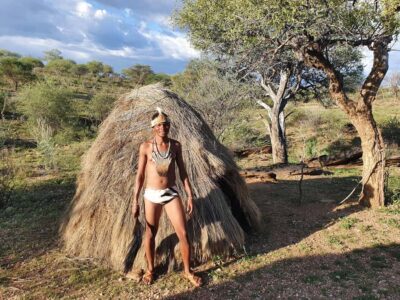
6-Day Dunes and Wildlife Accommodated Safari from Windhoek
Read our review →
10-Day Namibia Highlights Guided Tour from Windhoek
Read our review →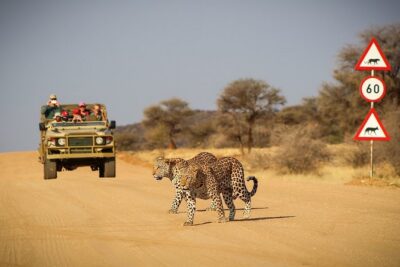
Browse the lists this tour appears in