
Reviewed · WINDHOEK TOURS
Discover the Roots of N/a’ankuse – A feeding Day Tour
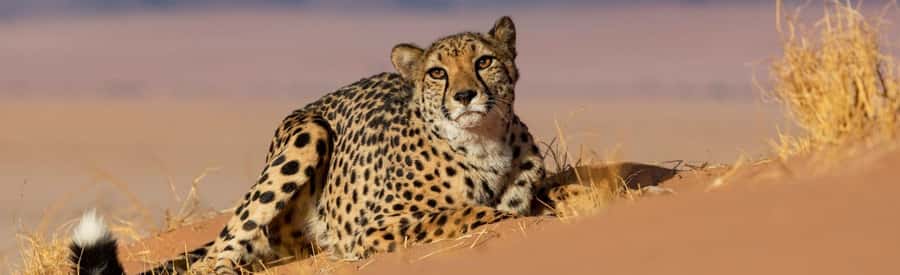
Predators up close, with a conservation lesson attached. This six-hour outing from Windhoek takes you to N/a’an ku sê for a guided feeding session with cheetahs, caracals, African wild dogs, leopards, and baboons. I like the small group limit of five, and I like that the tour explains how rescued animals arrived at the sanctuary rather than treating the visit as a simple photo stop.
I also appreciate the hotel pickup and return transfer, which removes the need to arrange a rental car for a half-day visit. The main caution is value: at $180 per person, this is a costly experience, especially if the animals are less active or fewer appear than you hoped.
The setting and drive are part of the appeal. You get open Namibian scenery on the way from Windhoek, then a focused wildlife session led in English. One especially memorable possibility is hearing a cheetah purr, something one participant described after the visit. Still, I would book this for the feeding presentation and conservation story, not as a conventional game drive.
In This Review
- Key points to know before booking
- From Windhoek to N/a’an ku sê at 08:30
- What happens at Naankuse Lodge
- Cheetahs, caracals, wild dogs, and leopards
- A feeding tour, not a game drive
- The guide makes the difference
- Conservation value, and the limits of the format
- Heat, comfort, and practical preparation
- How the $180 price compares with the experience
- Who should book this six-hour outing?
- Should you book the N/a’an ku sê feeding tour?
- FAQ
- Where does the tour begin and end?
- What time does pickup take place?
- How long does the experience last?
- Is this a game drive?
- Which animals might I see?
- Is transport included?
- What should I bring, and who should avoid the tour?
Key points to know before booking
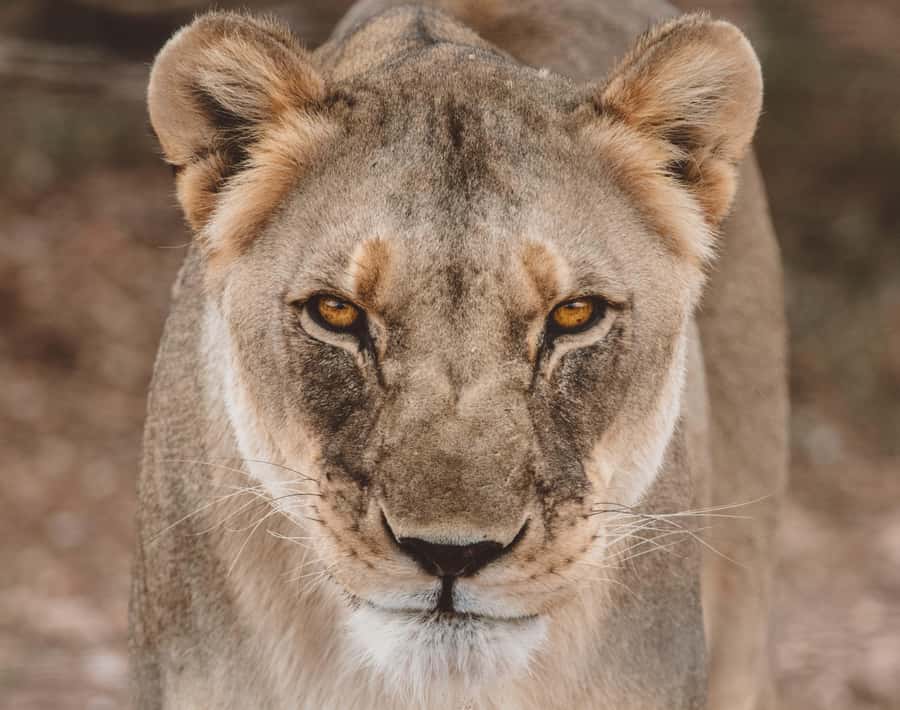
- The animals are fed during the visit: This is a feeding tour, not a free-roaming game drive.
- Cheetahs may purr: The close work with the animals can reveal unusual sounds and behavior.
- A small group keeps things personal: Only five people can join, which should make it easier to hear the guide and ask questions.
- Pickup begins at 08:30: Collection is available from the Avani Windhoek Hotel & Casino or Hilton Windhoek.
- The price is high for a half-day: At $180, the value depends on how much you care about conservation and predator education.
- Plan for heat and limited mobility: The tour is not suitable for people with mobility impairments or motion sickness.
From Windhoek to N/a’an ku sê at 08:30
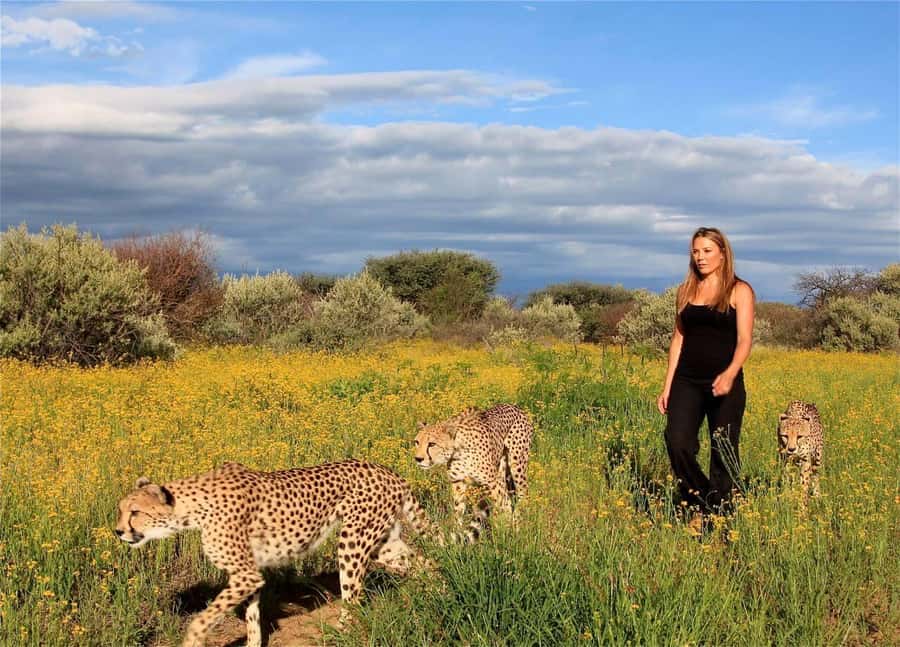
Your morning starts with pickup from either the Avani Windhoek Hotel & Casino or Hilton Windhoek. The drive takes you out from the city toward N/a’an ku sê, with Namibia’s open scenery providing part of the experience before the wildlife session begins.
I like this arrangement because it makes the visit easy to fit into a Windhoek stay. You do not need to navigate to the reserve, arrange a separate taxi, or worry about finding your way back after the tour. Drinks are included during the outing, another useful touch in a warm, dry setting.
The drive is not just dead time between two points. You may see baboons, caracals, cheetahs, African wild dogs, or leopards during the broader visit, and other animals can be roaming in the reserve. I would keep expectations sensible, though. Wildlife is never a guaranteed checklist, and the experience has received some criticism for producing fewer animal sightings than expected.
The timing also matters. Pickup is scheduled for 08:30, with a return to Windhoek around 14:00. That gives you a morning and early afternoon activity without taking up your entire day. You can still plan a late lunch, another city activity, or an evening meal afterward.
More out of Windhoek:
- Windhoek: City and Township Tour
★ 4.8 · 430 reviews - Half-Day Windhoek City and Township Cultural Tour
★ 4.5 · 187 reviews - Windhoek: Bushman Walk with the San
★ 4.9 · 145 reviews
What happens at Naankuse Lodge
The main stop is Naankuse Lodge, where the guided portion lasts about two and a half hours. The inclusion details also describe roughly three to three and a half hours for the N/a’an ku sê tour, so the exact length may vary slightly. Either way, this is the central part of your day, not a brief stop on a longer safari route.
The visit focuses on a scheduled feeding session. The guide feeds the animals while explaining how they came to the sanctuary and why they are being cared for there. That makes the experience different from sitting quietly in a vehicle and hoping a predator crosses the road.
You should understand this distinction before paying. A classic game drive is built around searching for animals in a reserve, often with long stretches of waiting and observation. Here, the feeding session gives you a more reliable chance to see particular animals, but the behavior is shaped by the feeding routine. It is an educational sanctuary visit, not a test of tracking skill.
That format can be especially useful if your Namibia itinerary does not include a longer safari. In a few hours, you may be introduced to several of Africa’s best-known predators and hear the reasons they live at N/a’an ku sê. I find that more meaningful than simply collecting photographs, provided you are comfortable with the sanctuary setting.
Cheetahs, caracals, wild dogs, and leopards
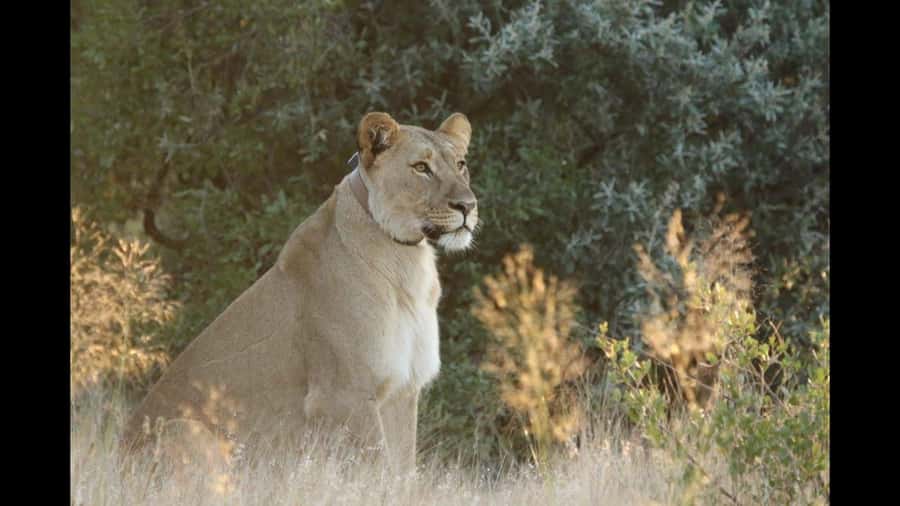
The animal list is impressive, but each species may offer a different kind of encounter. Cheetahs are likely to draw the most attention, partly because their behavior can be surprisingly gentle and expressive. One visitor was struck by hearing a cheetah purr, a detail that gives you a better sense of how unusual the session can be.
Caracals offer a different appeal. They are less familiar to many people than cheetahs or leopards, so the guide’s explanation can help you notice details you might otherwise miss. African wild dogs also bring an important conservation angle, since their presence connects the visit to the wider challenge of protecting threatened predators.
Leopards are famously difficult to see in many wildlife settings. If one appears during the feeding session or elsewhere in the reserve, that could become the highlight of the day. Baboons add another layer to the animal mix, giving you a chance to see a species that is often more familiar but still interesting in its natural surroundings.
The key phrase is may encounter. You should not treat the animal list as a promise that every species will appear. The experience is organized around the feeding program, yet sightings can still vary. If you need guaranteed sightings of every listed animal, this tour may leave you disappointed.
A feeding tour, not a game drive
This distinction deserves its own warning because it affects the entire mood of the day. You are not setting out to track predators across a large reserve. You are visiting animals during a feeding session and learning how they reached the sanctuary.
I see that as both the strength and limitation of the tour. The strength is access to a clear explanation. You can watch the feeding while the guide discusses the animals’ backgrounds and the sanctuary’s conservation work. The limitation is that the animals are not simply behaving without human influence.
For families or first-time wildlife visitors, the structure can work well. You know the day has a focus, and the guide’s narration gives you context. For photographers or safari regulars who want spontaneous animal behavior, the format may feel less natural.
The tour also offers a useful introduction to N/a’an ku sê’s mission. You are not only looking at predators. You are learning why these animals are at the sanctuary and how conservation groups try to protect them. That educational element is a major part of what you are paying for.
Off the sand entirely, for a change:
- 6-Day Dunes and Wildlife Accommodated Safari from Windhoek
★ 5.0 · 123 reviews - Windhoek City Tour
★ 5.0 · 113 reviews - 10-Day Namibia Highlights Guided Tour from Windhoek
★ 5.0 · 78 reviews - 12 Day Classic Namibia Camping Safari
★ 5.0 · 77 reviews
The guide makes the difference
The guide is central to the experience. The strongest feedback describes the guide as friendly and well informed, with one person saying the two and a half hour presentation passed quickly despite very hot weather. That is important. A feeding session can feel repetitive if the explanation is weak, but a good guide can turn each animal into a lesson about rescue, care, and conservation.
The group limit of five should help. You are not one face in a large crowd, and you should have a better chance of hearing the commentary and asking questions. A small group also makes the transfer feel less crowded and more manageable.
The tour is conducted in English. If you are comfortable with English instruction, you should be able to follow the animal explanations and conservation information. No other language is listed, so you should check before booking if English is a concern.
I would bring a charged smartphone and a camera. The charged phone is useful for photographs, directions, and keeping in touch with your accommodation. Drones are not allowed, and explosive substances are prohibited. The drone rule is worth noting for anyone carrying camera equipment around Namibia.
Conservation value, and the limits of the format
N/a’an ku sê is presented as a conservation-focused sanctuary, and the tour gives you a direct introduction to that work. The animals’ stories are part of the experience. You hear how they came to be at the sanctuary rather than seeing them as anonymous exhibits.
That connection can make the visit worthwhile even when the animal count is modest. I would rather spend time understanding why a cheetah or wild dog needs human care than rush through a long list of sightings with no context.
At the same time, you should ask yourself what kind of wildlife experience you want. Some visitors have found the tour well organized but too expensive for the number of animals seen. That criticism is fair. Conservation work has value, but a high ticket price naturally creates high expectations.
The best way to judge the cost is to separate two parts of the experience. First, you are paying for transport from Windhoek, drinks, and a small-group guide. Second, you are paying for access to a structured conservation presentation that may include several important predator species.
If you only want the cheapest way to see animals, $180 is difficult to justify. If you want a convenient half-day introduction to N/a’an ku sê and are happy to support a conservation setting, the price may feel more reasonable.
Heat, comfort, and practical preparation
The tour lasts six hours from pickup to return, and the guided portion takes place outdoors or around the lodge setting. One account specifically noted very warm weather, so I would prepare for heat even though the morning begins fairly early.
Wear practical clothing and bring what you need for a warm outing. The supplied instructions specifically recommend a camera and charged smartphone. Drinks are included, but you should not assume that every personal item, meal, or extra purchase is covered.
One account referred to lunch as acceptable, but lunch is not listed among the included items. I would therefore confirm the meal arrangements before booking rather than building your plans around an included lunch.
The tour is not suitable for people with mobility impairments or motion sickness. That is important because the outing includes a road transfer from Windhoek and time moving around the lodge or sanctuary. If either issue affects you, ask the provider for current details before reserving.
How the $180 price compares with the experience
At $180 per person, this is firmly in the premium half-day category. The small group, return transport, drinks, and specialist wildlife focus help explain the price. You are not simply buying a seat in a large sightseeing bus.
Still, the value depends on your priorities. I would consider it a fairer purchase if you are staying in Windhoek, do not have a rental car, and want a compact conservation visit without committing to a multi-day safari. The convenience is real, especially with hotel pickup and drop-off.
I would be more cautious if you are already planning several safari activities elsewhere in Namibia. In that case, you may have seen predators in a more natural setting, and this feeding tour could feel expensive by comparison.
The overall rating of 4.4 from 19 reviews suggests a generally positive experience with some clear reservations. Praise centers on the friendly guide, smooth pickup, and unusual animal moments such as the cheetah purring. The weaker points are the price and the possibility of seeing fewer animals than expected.
Who should book this six-hour outing?
I think this tour suits you best if you:
- Have a short stay in Windhoek
- Want hotel pickup and return transport
- Prefer a small group rather than a large vehicle
- Enjoy conservation education as much as photography
- Want an introduction to cheetahs, caracals, wild dogs, leopards, and baboons
- Can manage warm conditions and the stated physical requirements
I would be less enthusiastic if your main goal is a traditional game drive. The feeding format is clearly explained, so you should not arrive expecting hours of searching for completely wild animals.
It may also disappoint you if you judge value only by the number of species photographed. Animal activity can vary, and one account found the sightings limited for the price. The best fit is someone who sees the conservation story as part of the ticket, not an extra feature.
Should you book the N/a’an ku sê feeding tour?
Book it if you want a convenient, small-group introduction to N/a’an ku sê and you value hearing the background of rescued predators. The friendly guide, good pickup service, and chance to hear a cheetah purr add real appeal.
Skip it if $180 feels too high for a six-hour outing or if you want a conventional game drive with unscheduled animal behavior. Before booking, confirm what food is available, prepare for heat, and keep your expectations flexible about how many species you will see.
The strongest reason to go is not a guaranteed animal checklist. It is the chance to connect individual predators with the conservation work behind their care.
FAQ
Where does the tour begin and end?
Pickup and drop-off are available at the Avani Windhoek Hotel & Casino and Hilton Windhoek.
What time does pickup take place?
Pickup is scheduled for 08:30, with return to Windhoek at around 14:00.
How long does the experience last?
The full activity lasts about six hours. The guided visit at Naankuse Lodge lasts about two and a half hours, while the included tour description gives a total guided duration of roughly three to three and a half hours.
Is this a game drive?
No. This is a feeding tour. The guide feeds the animals while explaining how they came to the sanctuary and discussing conservation work.
Which animals might I see?
You may encounter baboons, caracals, cheetahs, African wild dogs, and leopards. Other animals may also be roaming freely in the reserve.
Is transport included?
Yes. Return transport from Windhoek, hotel pickup, and hotel drop-off are included. Drinks during the tour are also included.
What should I bring, and who should avoid the tour?
Bring a camera and a charged smartphone. Drones and explosive substances are not allowed. The experience is not suitable for people with mobility impairments or motion sickness.
Written up most recently in Windhoek
- Windhoek: Okapuka Game Ranch Guided Tour★ 5.0 · 2 reviews
- Windhoek : Cheetah walk Experience★ 4.6 · 8 reviews
- Windhoek: City & Township tour. Vehicle, guide, kapana★ 4.2 · 4 reviews
- Windhoek: Katutura Township Tour with Local Guide★ 3.5 · 3 reviews
- Windhoek City Tour★ 3.5 · 7 reviews
- Knight Vibes: Bars, Shebeen, Clubs Crawl Windhoek★ 5.0 · 3 reviews
- Predator Encounter: Half-Day Carnivore Feeding Windhoek★ 4.0 · 5 reviews
- Discover the Routes of N/a’an ku sê.★ 4.0 · 6 reviews
Windhoek Tours, compared.
Half-Day Windhoek City and Township Cultural Tour
Read our review →
6-Day Dunes and Wildlife Accommodated Safari from Windhoek
Read our review →
10-Day Namibia Highlights Guided Tour from Windhoek
Read our review →
Browse the lists this tour appears in