
Reviewed · WINDHOEK TOURS
Traditional Cooking Class – Mahangu pap for beginners
Millet, fire, and a meal worth remembering. This three-hour Windhoek cooking class takes you into local food traditions, from making mahangu pap to grilling beef on a braai. I like the hands-on format, and I like that you eat the meal you prepare while talking with Namibian hosts. The only caution is that the cooking setting is a real home, not a polished culinary school.
You pay $56.99 per person, with food, soft drinks, lunch, water, and private transport included. I also appreciate the vegetarian choices and the chance to try unusual foods such as mopane worms or goat head. If you want a carefully scripted class or a broad selection of vegetarian dishes, this may feel a little basic.
In This Review
- Key points to know before booking
- Why mahangu pap matters in Namibia
- Starting in Windhoek with pickup available
- Cooking pap from mahangu millet
- From braai beef to fish, tripe, and dried meat
- Trying mopane worms and goat head
- Vegetarian cooking and what to expect
- Meeting Namibians at home
- A private class, with one small point to clarify
- Is $56.99 a fair price?
- Who should book this Windhoek experience?
- Practical advice for a smoother visit
- Should you book it?
- FAQ
- Where does the cooking class start?
- Is pickup available?
- How long does the experience last?
- What food is included?
- Are vegetarian options available?
- Can I try mopane worms or goat head?
- Is the tour private?
- What is the cancellation policy?
Key points to know before booking
- Mahangu pap is the main lesson: You learn to prepare a Namibian staple made from millet, along with information about growing and storing the crop.
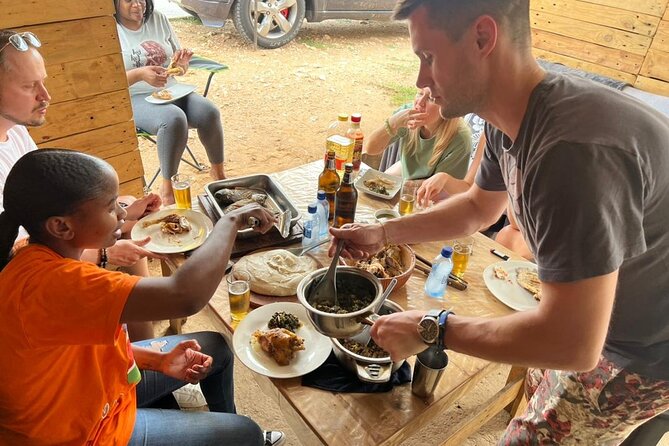
- The meal goes beyond pap: Depending on the arrangement, you may cook beef, fish, dried meat, tripe, spinach, tomatoes, or other local ingredients.
- The setting is personal: The class takes place in a Namibian home or home restaurant setting, helping you see daily food preparation beyond central Windhoek.
- Unusual tasting options are available: Adventurous eaters can try mopane worms, goat head, and other local delicacies.
- Transport makes it easy: Pickup is offered, including pickup from a hostel in at least some arrangements, and the class returns to the meeting point.
- The experience is highly rated: It has a 4.9 rating from 45 reviews, with 100 percent recommending it.
Why mahangu pap matters in Namibia
This class begins with mahangu, also called pearl millet. It is used to make pap, a thick porridge or dough that appears on many Namibian tables. The lesson is not just about mixing flour and water. You also hear how local farmers grow mahangu in Namibia’s dry conditions and how the crop is stored for later use.
That context gives the cooking more meaning. You are not simply learning a recipe from a different country. You are learning how an everyday staple fits into farming, food security, and household cooking.
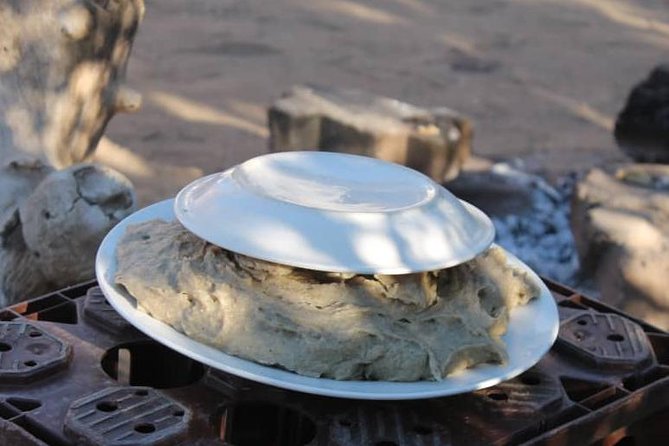
The finished pap can be served in different ways, depending on the menu prepared that day. It may be soft and porridge-like, or shaped as a firm dough to accompany meat, fish, or vegetables. The method is practical enough to repeat at home, which is one of the best reasons to choose this class over a meal at a restaurant.
I would not expect a formal lesson with printed recipes, measured ingredients, and a chef in a tall hat. The appeal is the direct instruction and the chance to ask questions while the food is being made.
More out of Windhoek:
- Windhoek: City and Township Tour
★ 4.8 · 430 reviews - Half-Day Windhoek City and Township Cultural Tour
★ 4.5 · 187 reviews - Windhoek: Bushman Walk with the San
★ 4.9 · 145 reviews
Starting in Windhoek with pickup available
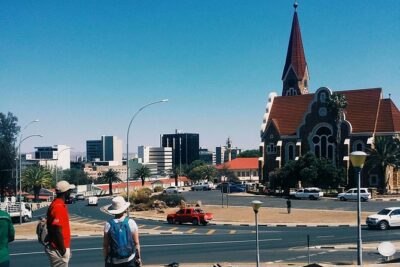
The listed meeting point is Christuskirche on Robert Mugabe Avenue in Windhoek. Pickup is also offered, and one person specifically found hostel pickup convenient. Private transportation and bottled water are included, so you do not need to arrange a taxi to a suburban cooking location yourself.
The class lasts about three hours. That is long enough for preparation, cooking, eating, and conversation without taking up an entire day of sightseeing. I would schedule it on a day when you have room to relax afterward, especially if you plan to enjoy local drinks with the meal.
The drive is part of the experience. The class takes you away from the central tourist area and into a residential setting, including Katutura in some arrangements. That change matters because the activity is meant to introduce you to Namibian home life, not simply recreate it inside a downtown restaurant.
Pickup details can vary, so confirm the exact time and place when booking. Confirmation is normally sent at booking, although a reservation made within four hours of departure may require a short wait for confirmation.
Cooking pap from mahangu millet
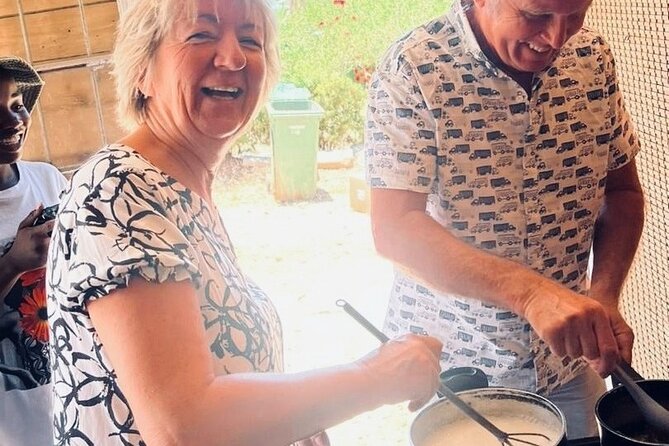
The pap lesson is the heart of the activity. Your cook or host shows you how mahangu is prepared and explains the role it plays in Namibian cooking. You should expect to help with the process rather than watch from a seat.
A useful benefit is that pap is forgiving. You do not need to be a skilled cook to take part, and one participant who described themselves as a poor cook still managed to prepare an authentic mahangu meal with help from the guides.
The class can also show you how pap works as part of a larger plate. It is commonly paired with meat, fish, or vegetables, so the lesson gives you more than one isolated dish. You learn how a staple becomes a filling meal.
Bring a willingness to stir, taste, and ask questions. The exact texture may be different from the pap you find at another Namibian home, since preparation methods and menus can vary. That is part of the point: this is home cooking, not a standardized chain restaurant recipe.
From braai beef to fish, tripe, and dried meat
After the pap preparation, the class moves into the main meal. Beef cooked on a braai, the Namibian version of a barbecue, is part of the stated menu. The grill adds a smoky, social element, and it gives you a chance to see how meat is prepared alongside the staple food.
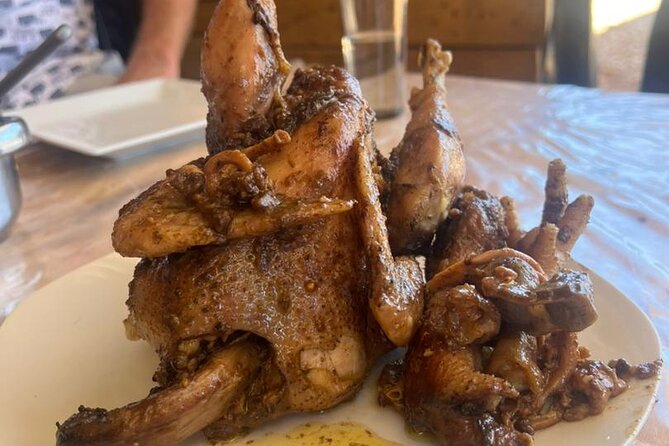
The exact dishes may change. Meals described by participants have included fried fish with a special sauce, dried meat called edhingu, tripe known as matangara, horse mackerel, and a spinach and tomato dish. This variety is useful because it shows that Namibian home cooking is not limited to one famous plate.
The class is also a good introduction to ingredients you may encounter during the rest of a Namibia trip. Learning the names and textures of local foods can make later market visits and restaurant meals easier to understand.
The food portions can be generous. One person called the meal huge, so you should arrive hungry but not assume you will need extra food afterward. Snacks, lunch, soda, and water are included in the price.
Off the sand entirely, for a change:
- 6-Day Dunes and Wildlife Accommodated Safari from Windhoek
★ 5.0 · 123 reviews - Windhoek City Tour
★ 5.0 · 113 reviews - 10-Day Namibia Highlights Guided Tour from Windhoek
★ 5.0 · 78 reviews - 12 Day Classic Namibia Camping Safari
★ 5.0 · 77 reviews
Trying mopane worms and goat head
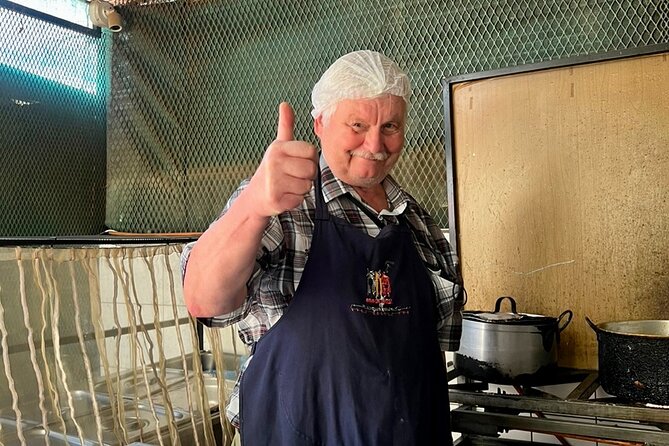
The adventurous part of the class is optional. You may be offered mopane worms, a local delicacy that is actually the dried or prepared larva of the emperor moth. One participant described trying butterfly larva for the first time during the experience.
Goat head, sometimes called smilie, is another possible delicacy. The name refers to the cooked head, with the teeth creating its memorable appearance. This is not required for the class, and you can decide how far you want to take the tasting.
I like that the unusual foods are presented as choices rather than a stunt. You can try something new, or simply focus on pap, meat, fish, and vegetables. If you have allergies, dietary restrictions, or strong food preferences, tell the provider before the class so the menu can be planned properly.
The inclusion of local delicacies adds value for curious eaters, but it may not suit everyone. Children are welcome, yet parents should decide in advance whether tasting mopane worms or goat head is appropriate for their children.
Vegetarian cooking and what to expect
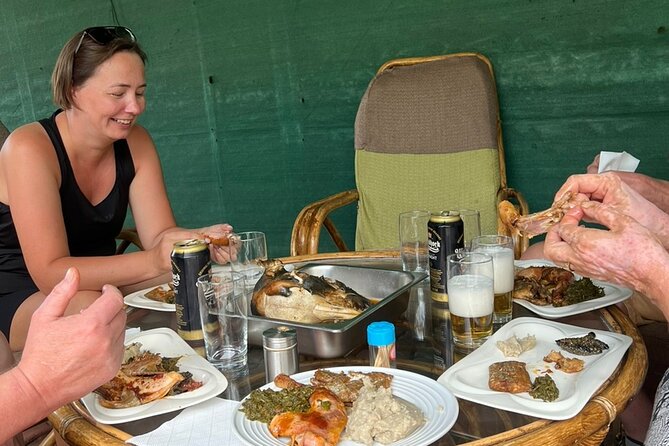
Vegetarian options are available. The stated choices include local spinach and marula fruits, and a spinach and tomato dish has also been prepared during the class.
That said, the vegetarian offering may be narrower than the meat menu. One person enjoyed the class but felt there was some room to improve the vegetarian side. I would contact Anchor Adventures Namibia before booking if you want a substantial vegetarian meal rather than a simple vegetable accompaniment.
The class can work well for mixed groups. Meat eaters can try braai beef or fish, while vegetarian participants can have vegetables and fruit-based dishes. You should not assume that every possible substitution is available, so explain your needs clearly when you reserve.
For vegan, gluten-free, or other strict diets, the supplied information confirms vegetarian choices but does not confirm every other dietary requirement. Ask before paying if your diet depends on specific ingredients or preparation methods.
Meeting Namibians at home
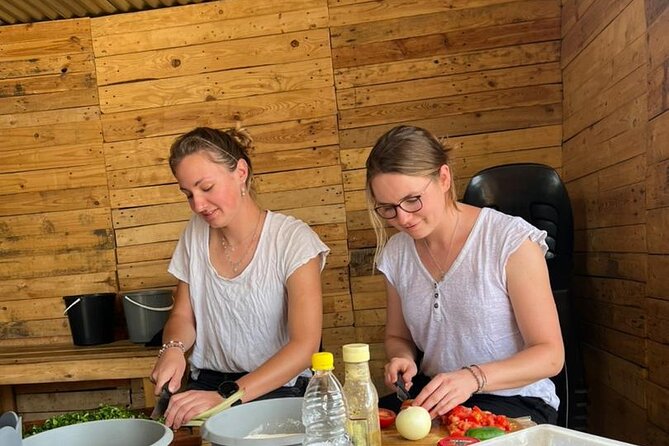
The strongest part of this activity is the conversation. You eat with your tutor and have time to exchange stories about food, farming, family life, and Namibia. That personal contact helps the meal feel connected to real daily life.
The cooking has taken place in a comfortable room at Iyaloo’s house and restaurant. A participant also noted electricity, a working fridge, and plenty of handwashing. Those details matter because a home setting does not mean you should expect poor hygiene or an improvised outdoor setup.
Different hosts and guides may be involved. Names connected with the experience include Linda, Iyaloo, Betty, Annely, Andrew, Sacky, and Petrina. Linda received especially warm praise for her friendly manner and cooking knowledge, while Andrew was helpful with advice and translation during one German-language experience.
You may spend time with a driver or guide as well as the cook. In one arrangement, Linda drove a participant to the class and stayed throughout the evening. That added support can be useful if you want help understanding the neighborhood or communicating during the meal.
A private class, with one small point to clarify
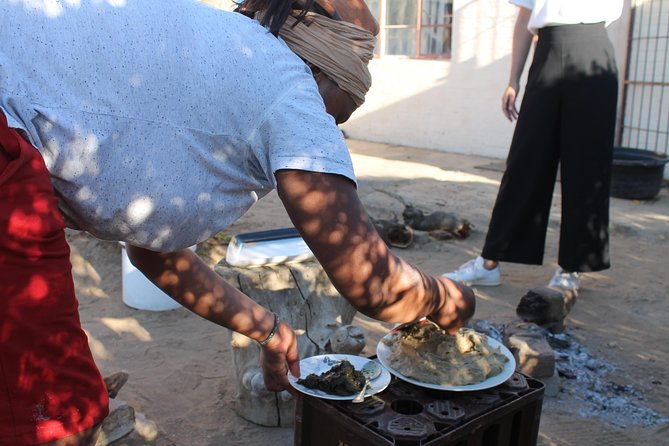
The activity is sold as private, meaning only your group should take part. That is a major advantage if you want to ask questions freely, cook at your own pace, or bring children without being tied to a large tour schedule.
A private class can also feel more like an invitation into someone’s home than a performance for a busload of people. You get more direct time with the cook, and the host can adjust the conversation and menu to your interests.
Still, the experience may not always feel completely solitary. Some accounts describe cooking with another visitor or with the Anchor Adventures team. If it is important that your group has the entire setting to itself, confirm the group arrangement when you book.
The private format also makes this a good choice for couples, families, and small groups of friends. Group discounts are available, which can improve the per-person value for a larger booking.
Is $56.99 a fair price?
At $56.99 per person, this is not the cheapest lunch in Windhoek. But the fee covers much more than food. You receive about three hours of instruction, a prepared lunch, snacks, soda, bottled water, private transportation, and a personal cultural exchange.
That package makes the price reasonable, especially if pickup saves you the cost and effort of arranging a separate taxi. You also leave with a cooking skill you can repeat, rather than only a restaurant receipt and a photograph.
The value is strongest for people who would otherwise book a separate city tour and restaurant meal. Here, the food is the activity, and the conversation is part of what you are paying for.
The value is weaker if you only want to eat Namibian food quickly. The class requires participation, and the home setting may not offer the polished service or broad menu of a restaurant. You are paying for access, instruction, and contact, not luxury.
Who should book this Windhoek experience?
I would choose this class if you want to understand Namibian food before setting off on a longer journey through the country. It is especially useful for first-time visitors who want an easy introduction to local ingredients and customs.
Families should also consider it. Children are welcome, and the hands-on cooking gives them something to do while adults talk with the host. The private format can make the experience less stressful than joining a large group.
It suits adventurous eaters who want to try mopane worms or goat head, but you do not need to eat those items to enjoy the class. It also works for people who want a gentler introduction through pap, spinach, fish, and grilled beef.
I would hesitate only if you need a strictly controlled menu, a formal chef-led lesson, or extensive vegetarian alternatives. In those cases, ask detailed questions before booking.
Practical advice for a smoother visit
Wear comfortable clothing suitable for cooking. The information does not specify a dress code, but you will be preparing food and working around a grill, so sensible clothes are the obvious choice.
Tell the provider about dietary needs before arrival. Vegetarian food is available, but the selection may be smaller than the meat menu.
If you want to taste mopane worms or goat head, ask when you book whether they will be part of your menu. The description presents them as possible delicacies, not guaranteed dishes.
Keep your schedule flexible around the three-hour duration. The cooking itself may be fairly quick, but eating and conversation are important parts of the experience.
Alcohol is not included. Soft drinks, water, snacks, and lunch are included, while alcoholic beverages cost extra.
Free cancellation is available if you cancel at least 24 hours before the start time. Changes or cancellations inside that window are not refunded, and the experience may be rescheduled or refunded if the minimum number of participants is not reached.
Should you book it?
Book this class if you want food to open the door to Namibian daily life. The mahangu pap lesson, the braai, the optional delicacies, and the time with local hosts create a useful three-hour introduction to Windhoek beyond the usual sightseeing route.
I especially like the combination of practical cooking and conversation. You learn how to make something you can repeat at home, then sit down and share the result with the people who taught you.
Choose another activity if you want a polished cooking studio, a fixed menu, or a fully developed vegetarian program. For everyone else, the $56.99 price is fair for a private, transport-inclusive experience that gives you a meal, a skill, and a better sense of how food fits into Namibian life.
FAQ
Where does the cooking class start?
The listed meeting point is Christuskirche, at Robert Mugabe Avenue in Windhoek, Namibia.
Is pickup available?
Yes. Pickup is offered, and private transportation is included. A participant specifically used pickup from a hostel.
How long does the experience last?
The class lasts approximately three hours.
What food is included?
Food and nonalcoholic drinks are included, including snacks, lunch, soda, and bottled water. The menu centers on mahangu pap and may include braai beef, fish, vegetables, or other local foods.
Are vegetarian options available?
Yes. Vegetarian choices include local spinach and marula fruits. The vegetarian selection may be more limited than the meat options.
Can I try mopane worms or goat head?
Yes, these are offered as possible local delicacies for adventurous participants. They are optional.
Is the tour private?
Yes. It is described as a private activity for only your group, although you should confirm the arrangement when booking if complete privacy is important to you.
What is the cancellation policy?
You can receive a full refund if you cancel at least 24 hours before the start time. Cancellations or changes made less than 24 hours before the experience are not refunded.
Written up most recently in Windhoek
- Windhoek: Okapuka Game Ranch Guided Tour★ 5.0 · 2 reviews
- Windhoek : Cheetah walk Experience★ 4.6 · 8 reviews
- Windhoek: City & Township tour. Vehicle, guide, kapana★ 4.2 · 4 reviews
- Windhoek: Katutura Township Tour with Local Guide★ 3.5 · 3 reviews
- Windhoek City Tour★ 3.5 · 7 reviews
- Knight Vibes: Bars, Shebeen, Clubs Crawl Windhoek★ 5.0 · 3 reviews
- Predator Encounter: Half-Day Carnivore Feeding Windhoek★ 4.0 · 5 reviews
- Discover the Routes of N/a’an ku sê.★ 4.0 · 6 reviews
Windhoek Tours, compared.
Half-Day Windhoek City and Township Cultural Tour
Read our review →
6-Day Dunes and Wildlife Accommodated Safari from Windhoek
Read our review →

10-Day Namibia Highlights Guided Tour from Windhoek
Read our review →
Browse the lists this tour appears in